Life in Ladakh Culture, Lifestyle and Survival in the Himalayas

Life in Ladakh is shaped by high mountains, extreme winters, and deeply rooted traditions. Located in the northernmost part of India, this cold desert region sits at a high altitude where temperatures, terrain, and isolation influence daily living. Despite the harsh climate, Ladakhi people have built a strong, self-reliant, and spiritually rich society that continues to preserve its identity.

Lifestyle and Community in Ladakh

Simple Living with Strong Spiritual Roots

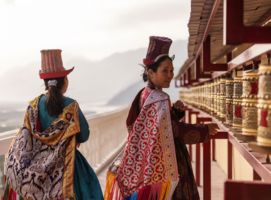
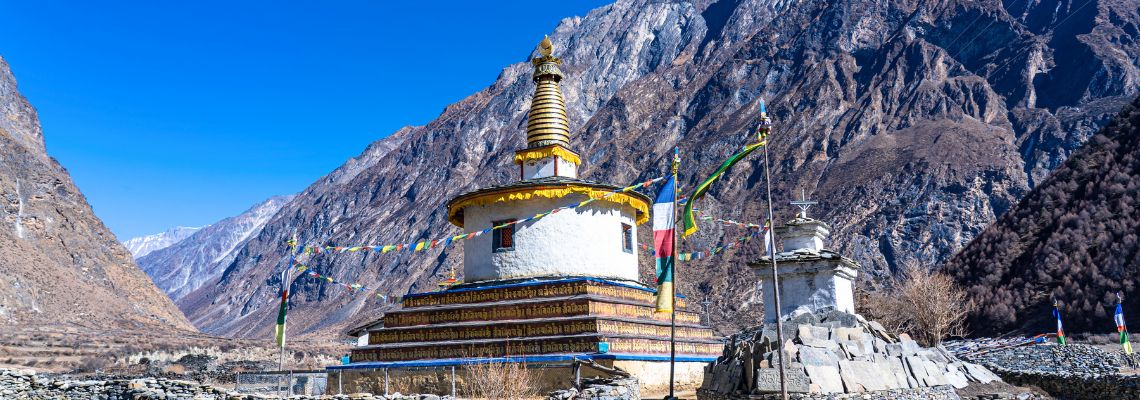
Life in Ladakh is closely connected to religion and spirituality. In Leh district, Tibetan Buddhism plays a central role in everyday life, while Kargil has a predominantly Shia Muslim population. Monasteries, also known as gompas, are not only places of worship but also community centers where social gatherings, festivals, and cultural events take place. Spiritual values influence relationships, celebrations, and even work routines. Respect for nature and gratitude for limited resources are part of daily living.
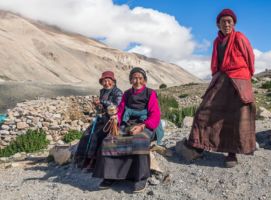
Ladakh monastery
Ladakh landscape
Ladakh monastery
Ladakh landscape

Self-Sufficient Way of Life

Because of its remote location and long winters, Ladakh has developed a culture of self-reliance. Residents follow a simple lifestyle and make careful use of available resources. Recycling and reusing materials is common practice. Many households grow their own vegetables during summer and store supplies for winter.

Strong Village Bonds

Community spirit is one of the most beautiful aspects of life in Ladakh. Villages function with a collective mindset. During harvesting season, neighbors help each other in the fields regardless of land ownership. This cooperative system strengthens relationships and ensures that no family is left behind.

Women in Ladakhi Society

Women in Ladakh enjoy a high level of independence. They actively participate in farming, household management, and local business activities. In many families, women are key decision-makers and play an important role in preserving cultural traditions.

Adapting to the Harsh Climate of Ladakh

Surviving the Long Winter, Winter in Ladakh lasts nearly six months, and heavy snowfall often cuts off road connectivity with the rest of India. Temperatures can fall as low as minus 35 degrees Celsius. Traditional homes are designed to retain heat. Families use Bukhari stoves fueled by wood or dried dung to stay warm. Thick mud walls and small windows help protect against freezing winds.

Food Storage and Winter Diet,Fresh vegetables are limited during winter. To manage this, Ladakhi families dry apricots, store grains, and preserve food during summer months. Some households use small greenhouses to grow spinach and onions even in colder seasons. Barley remains one of the most important crops, as it can survive in high-altitude conditions.

Water Management in Ladakh,Water becomes a challenge during winter when pipes freeze. In some villages, residents break ice layers on streams to collect water. Traditional irrigation channels known as khuls carry glacial meltwater to agricultural fieldsduring warmer months. These ancient systems continue to support farming across the region.

Culture and Cuisine of Ladakh

Traditional Food of Ladakh

Ladakhi cuisine is simple, nutritious, and suited for cold weather. Popular dishes include:

  • Thukpa - a hearty noodle soup with vegetables or meat
  • Skyu – a traditional pasta-based dish cooked with root vegetables
  • Tsampa – roasted barley flour mixed with tea or water

Festivals and Celebrations

Festivals are an important part of life in Ladakh. Hemis Festival and Losar, the Ladakhi New Year, are celebrated with great enthusiasm. Monasteries host colorful masked Cham dances that represent spiritual stories and the triumph of good over evil.

These events attract visitors from across India and around the world.

Traditional Sports and Leisure

Archery and polo are among the most popular traditional sports in Ladakh. Tournaments are social events accompanied by local music. Instruments like the Daman drum and Surna wind instrument add energy and excitement to community gatherings.

Experience the Real Ladakh Life

Life in Ladakh is about resilience, simplicity, and harmony with nature. From freezing winters to vibrant festivals, every season brings a unique experience. Whether you are planning to visit Ladakh as a tourist or exploring its nomadic heritage and ancient traditions, the region offers a way of life unlike anywhere else in India.