Thiksey Monastery
Explore the spiritual grandeur of Thiksey Monastery and the serene beauty of Ladakh’s high-altitude lakes.
Explore Thiksey Monastery: Iconic Hilltop Monastery in Ladakh
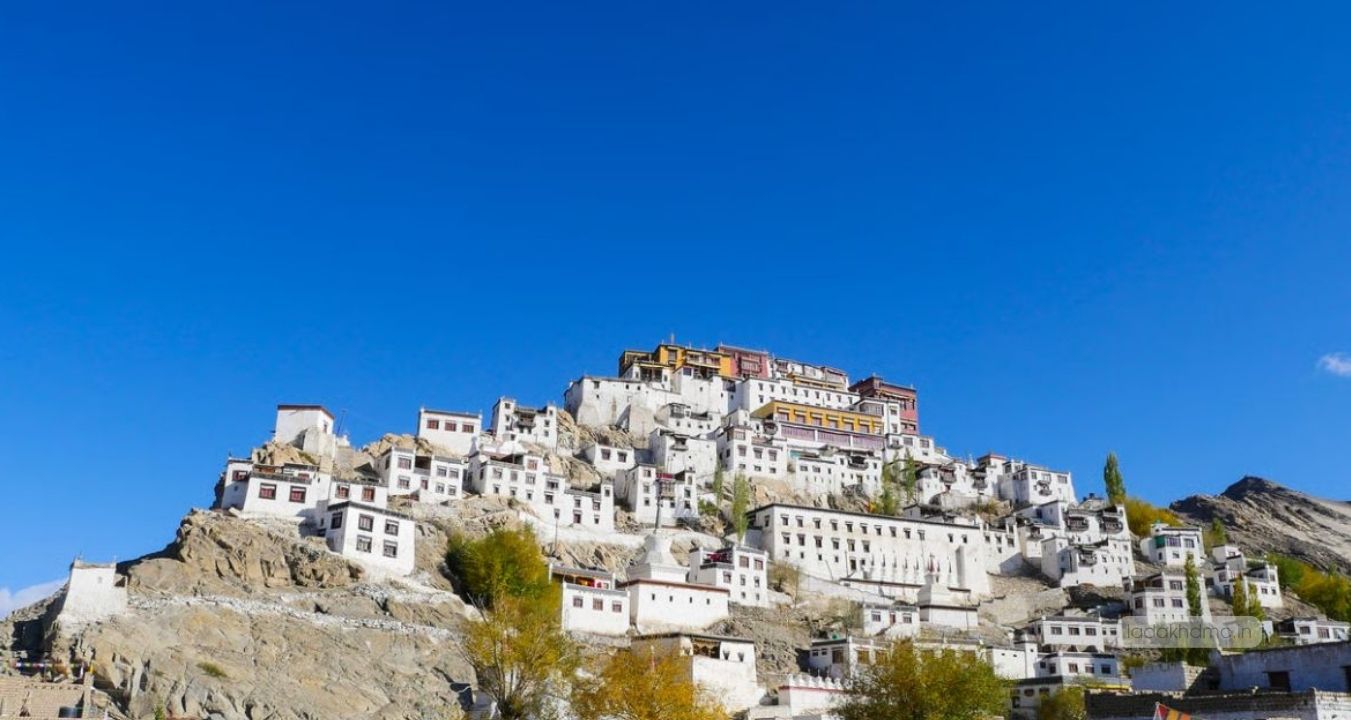
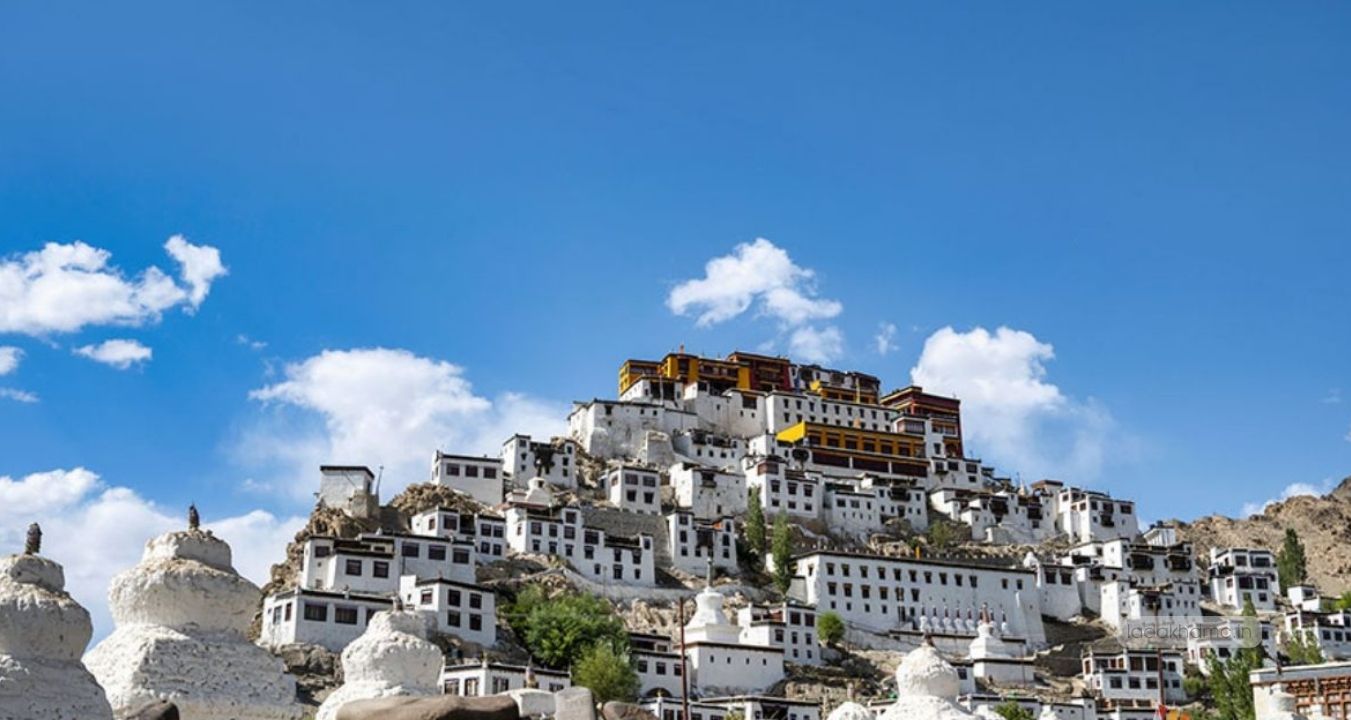
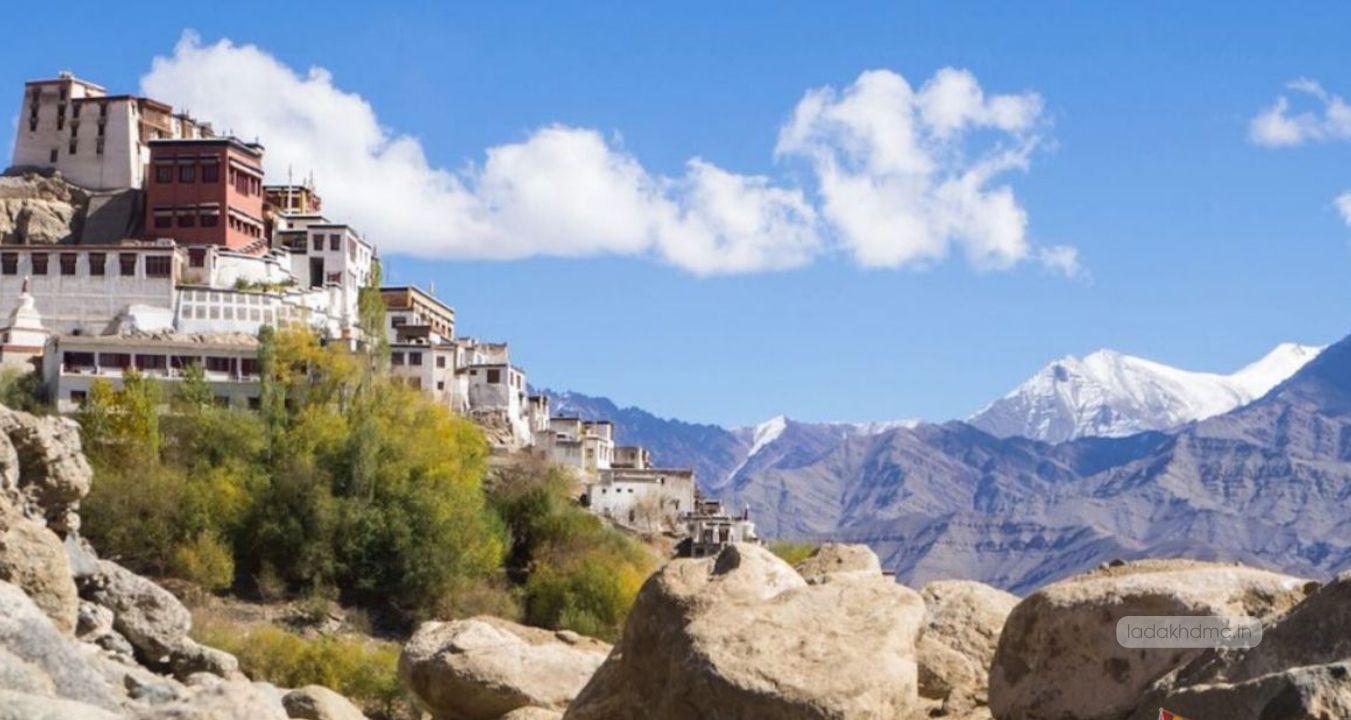
Perched majestically at 11,800 feet above sea level, Thiksey Monastery is one of Ladakh’s most stunning Buddhist monasteries. Located just 19 km southeast of Leh, this hilltop monastery overlooks the Indus Valley, offering panoramic Himalayan views. Often called the "Mini Potala" for its resemblance to Lhasa’s Potala Palace, Thiksey Monastery combines spiritual significance with breathtaking architecture, making it a must-visit destination for travelers, photographers, and devotees alike.
Founded in 1430 AD by Palden Zangpo, a disciple of the revered Buddhist master Tsongkhapa, Thiksey Monastery belongs to the Gelugpa (Yellow Hat) school of Tibetan Buddhism. For nearly six centuries, it has served as a center for Buddhist philosophy, meditation, and cultural preservation. Home to over 100 resident monks, the monastery continues to foster spiritual learning, daily rituals, and traditional practices in a living monastic environment. Its location, chosen for both spiritual and strategic reasons, reflects centuries of devotion and sacred legacy in the region.
Architectural Marvel: A 12-Story Himalayan Landmark
Rising 12 stories above the Indus Valley, Thiksey Monastery is a vertical complex of temples, prayer halls, residential quarters, and meditation caves. The monastery follows traditional Tibetan Buddhist architecture, with buildings cascading along the hillside and interconnected by narrow staircases and passageways. Each floor has a specific purpose, from assembly halls on the ground level to rooftop temples offering sweeping Himalayan views.
The main assembly hall, or Dukhang, is adorned with intricate frescoes depicting Buddhist deities, mandalas, and scenes from Buddha’s life. Ancient thangkas hang from wooden pillars, while flickering butter lamps illuminate centuries-old murals. The monastery preserves precious Buddhist scriptures, including the Kangyur (teachings of Buddha) and Tengyur (commentaries), meticulously hand-written on traditional paper and wrapped in silk.
Sacred Treasures and Religious Significance
The highlight of Thiksey Monastery is the colossal Maitreya Buddha statue, installed in 1970 to honor the visit of the 14th Dalai Lama. Standing 15 meters (49 feet) tall, this impressive statue represents the Future Buddha and dominates the monastery’s central temple. Visitors can view it from multiple levels, appreciating both the serene face and the intricate details of its crown from the upper galleries.
Thiksey also houses ancient relics, sacred statues, and artistic masterpieces. The Tarachand Temple displays silver chortens, deity images, and centuries-old artifacts, while the Gonkhang, dedicated to protective deities, features dramatic paintings and sculptures highlighting tantric aspects of Tibetan Buddhism. Murals throughout the monastery reflect a rich blend of artistic influences from Kashmir, Tibet, and Central Asia, creating a unique Ladakhi Buddhist style.
Unforgettable Experiences at Thiksey Monastery
Visiting Thiksey Monastery offers more than sightseeing—it is an immersive spiritual experience. The morning prayer ceremony (puja), starting around 7:00 AM, is particularly captivating. Monks chant sacred texts, accompanied by cymbals, drums, and long horns, creating an atmosphere of deep devotion. Visitors can quietly observe monks of all ages practicing rituals that have been preserved for centuries.
The monastery also functions as an educational center. Young monks engage in philosophical debates using traditional Tibetan debating techniques, while the monastery school offers both religious and modern academic lessons. Visitors can request meetings with resident lamas to learn about Buddhist philosophy. The rooftop offers breathtaking views of the Indus River and surrounding snow-capped peaks, ideal for photography or quiet reflection.
Annual Festivals and Cultural Celebrations
The Gustor Festival, held in October or November, is the monastery’s most celebrated event. Masked monks perform sacred Cham dances, depicting protective deities and historical figures. The three-day festival features traditional music, ritual instruments, and vibrant local participation. On the final day, a ritual cake (torma) is destroyed, symbolizing the triumph of good over evil and the ushering in of peace and prosperity.
Highlights of Thiksey Monastery
- 12-story hilltop monastery with panoramic views of the Indus Valley and Himalayan peaks
- 15-meter Maitreya Buddha statue largest in Ladakh, representing the Future Buddha
- Exquisite murals and thangkas showcasing centuries of Buddhist art
- Ancient Buddhist scriptures preserved in the monastery library
- Morning prayer ceremonies with chanting and traditional instruments
- Stunning sunrise and sunset viewpoints for photography
- Traditional Tibetan Buddhist architecture spanning 600 years of monastic design
- Living monastic community of over 100 monks, including a school for young novices
- Annual Gustor Festival with sacred Cham masked dances
- Museum collection of artifacts, ritual objects, and historical photographs
- Meditation caves for solitary practice
- Easy access from Leh ideal for a half-day excursion
Nearby Attractions
Enhance your visit to Thiksey Monastery by exploring these nearby sites:
- Shey Palace and Monastery: 7 km away, featuring a giant copper Buddha and royal archives
- Hemis Monastery: 20 km south, Ladakh’s wealthiest monastery hosting the Hemis Festival
- Stok Palace Museum: Across the Indus, showcasing royal family artifacts
- Druk White Lotus School: Modern school known from the film "3 Idiots," blending education and traditional architecture
Explore Ladakh - Monasteries, Lakes, Valleys & Adventures
-
Leh Monasteries Spiritual Heart of Ladakh
Leh is the vibrant capital of Ladakh, surrounded by dramatic mountains and ancient monasteries. It blends Tibetan Buddhist culture, historic palaces, colorful markets, and breathtaking Himalayan landscapes.
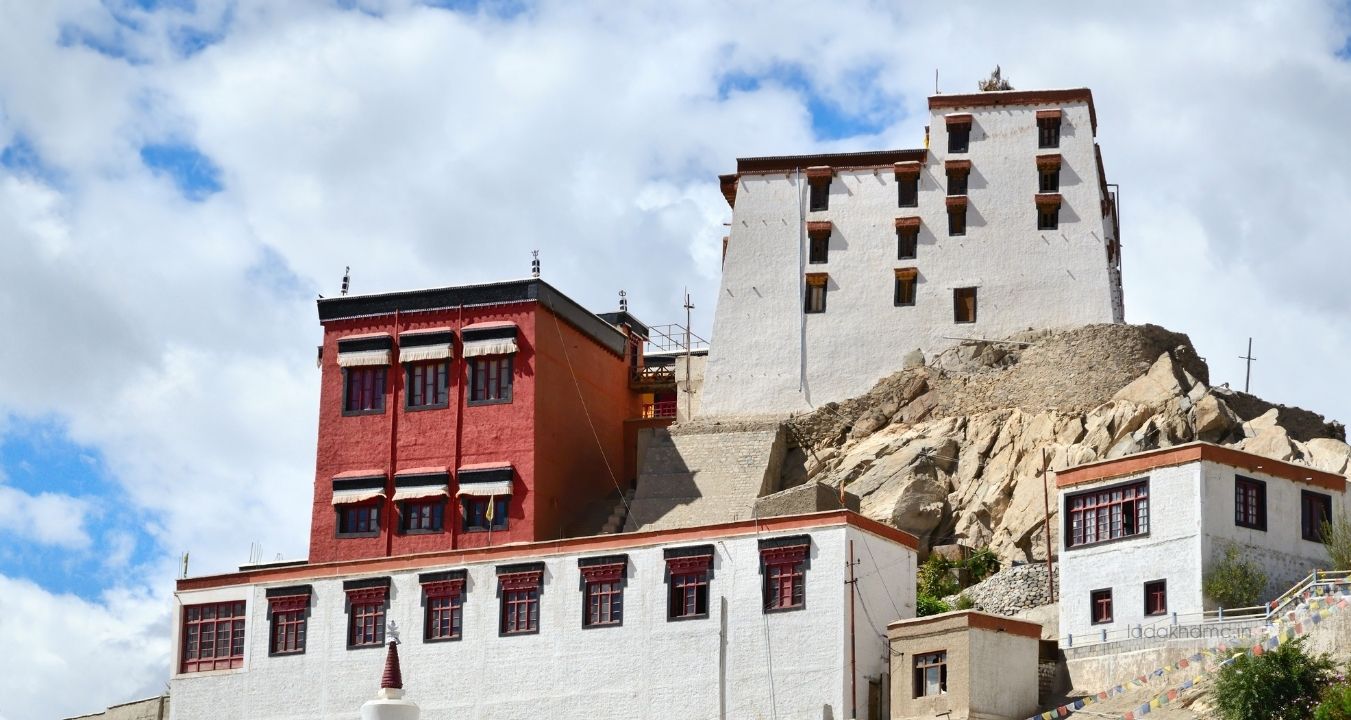
Thiksey Monastery
A magnificent 12-storey monastery resembling the Potala Palace, famous for its giant Maitreya Buddha statue and panoramic Indus Valley views.
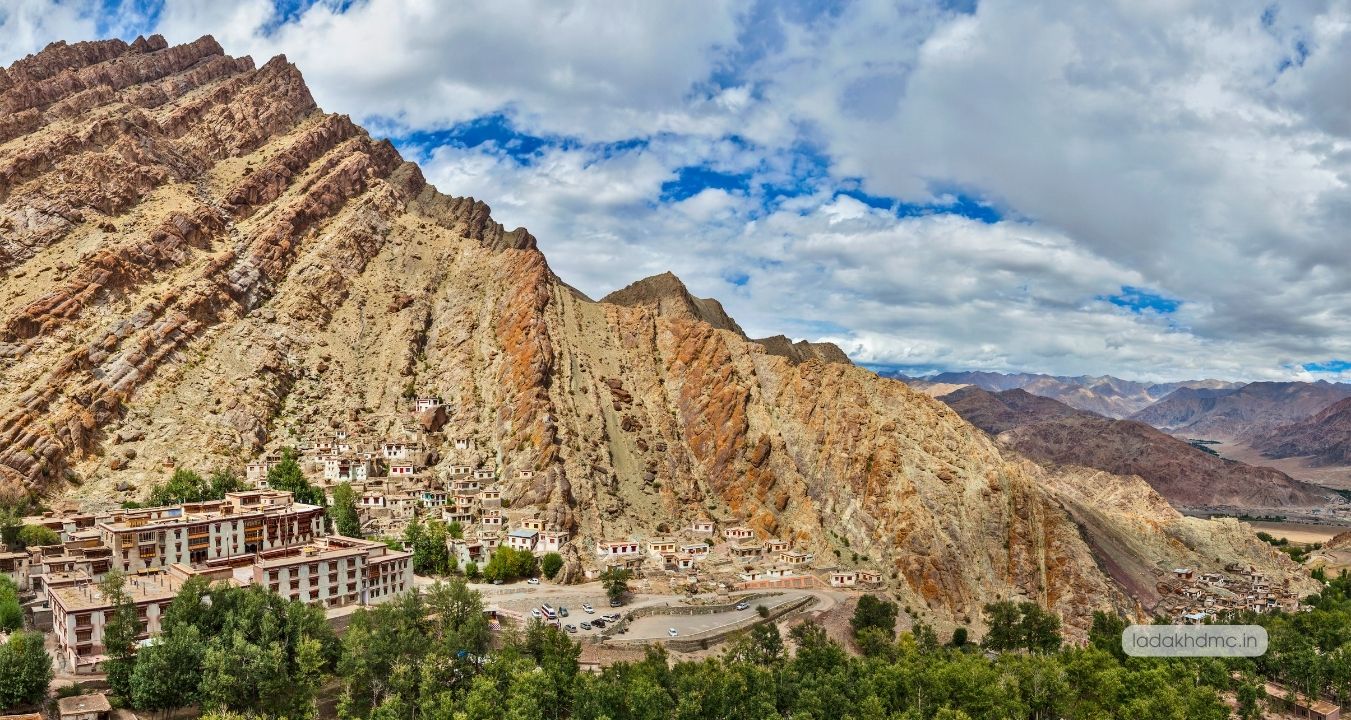
Hemis Monastery
The largest and wealthiest monastery in Ladakh, renowned for the colorful Hemis Festival celebrating Guru Padmasambhava.
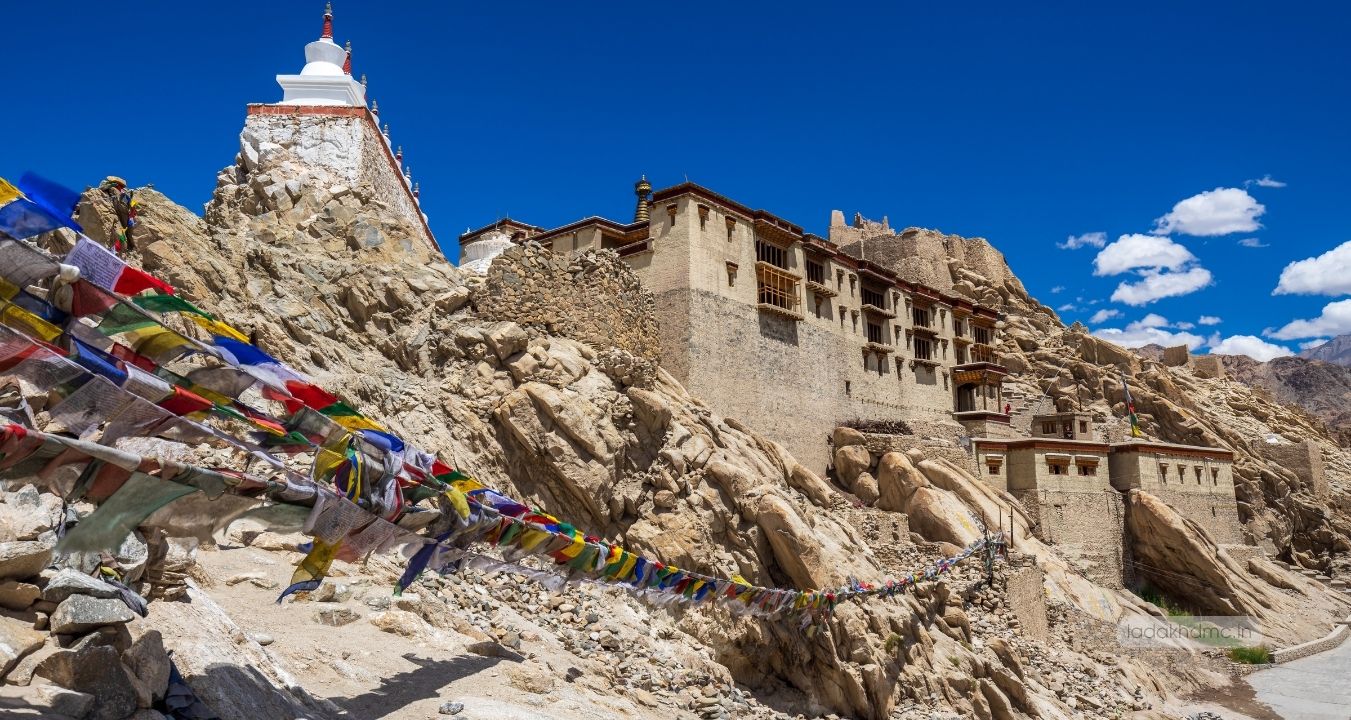
Shey Palace
A historic royal residence of Ladakh’s kings featuring a massive copper-gilded Buddha statue and scenic surroundings.
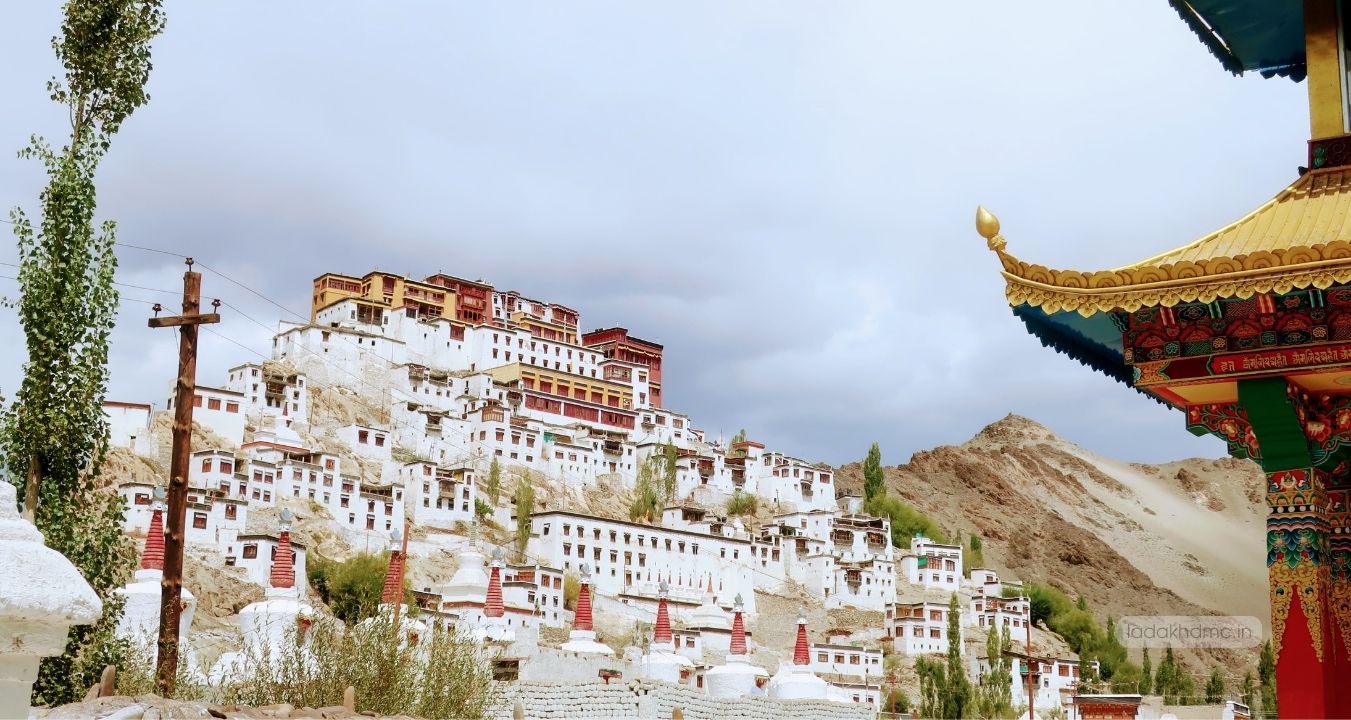
Spituk Monastery
Perched on a hill near Leh, this monastery offers beautiful Indus Valley views and hosts the famous Spituk Gustor Festival.
-
Ladakh Lakes, High Altitude Wonders
The lakes of Ladakh are among the most breathtaking landscapes in the Himalayas, known for crystal-clear water, changing colors, and dramatic mountain backdrops.
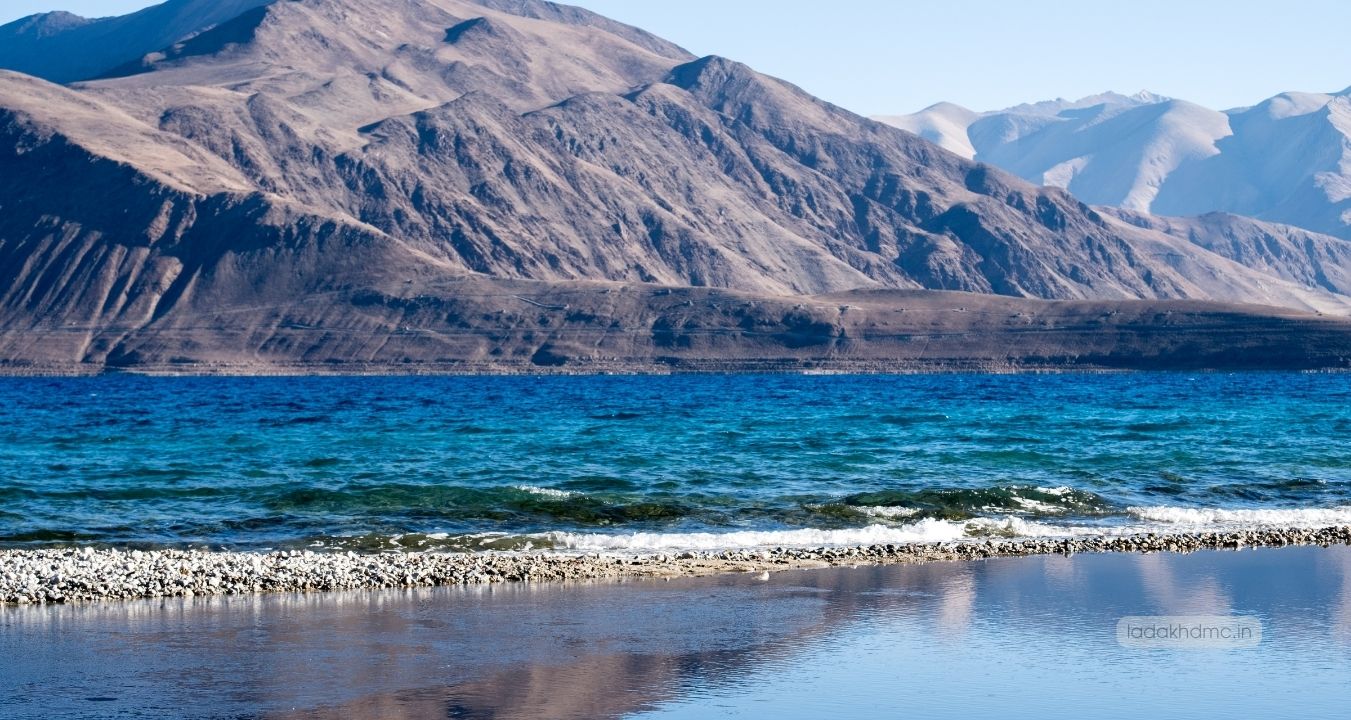
Pangong Tso
One of Ladakh’s most famous lakes, known for its stunning shades of blue and its location stretching from India to Tibet.
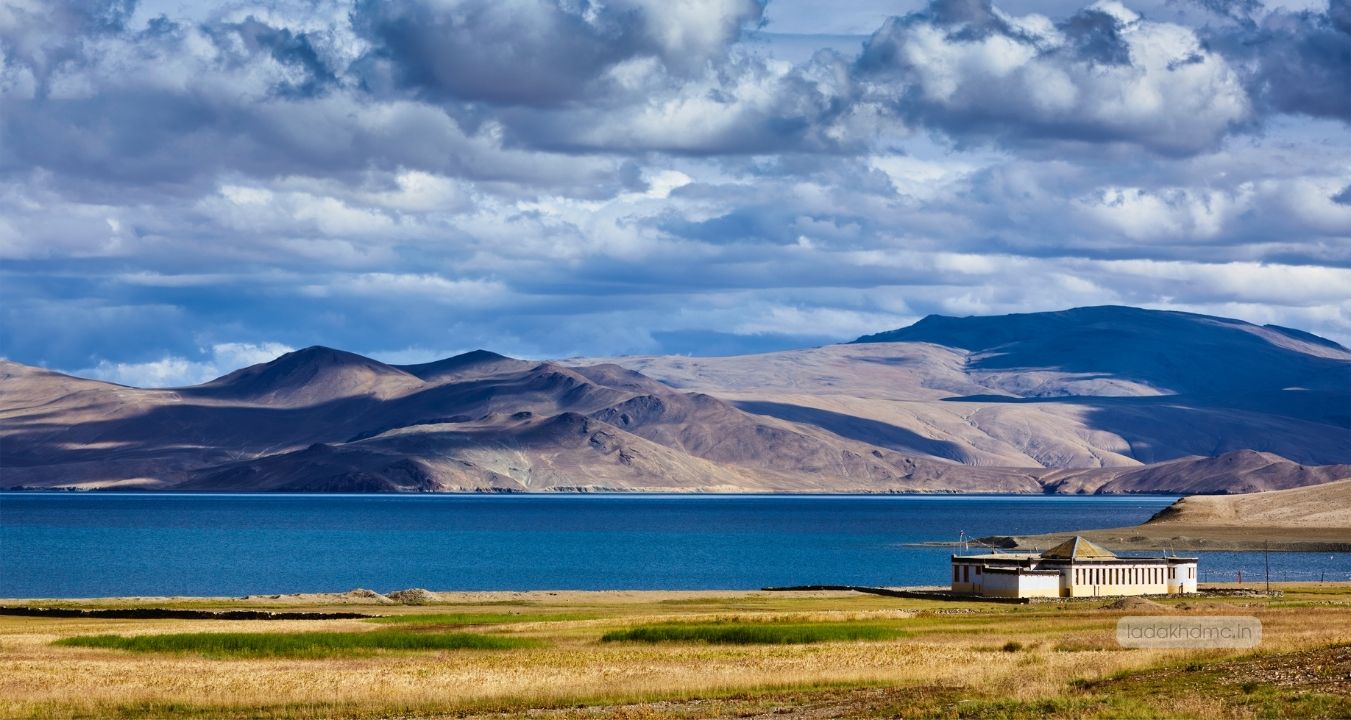
Tso Moriri Lake
A serene high-altitude lake surrounded by snow-capped mountains and home to rare Himalayan wildlife.
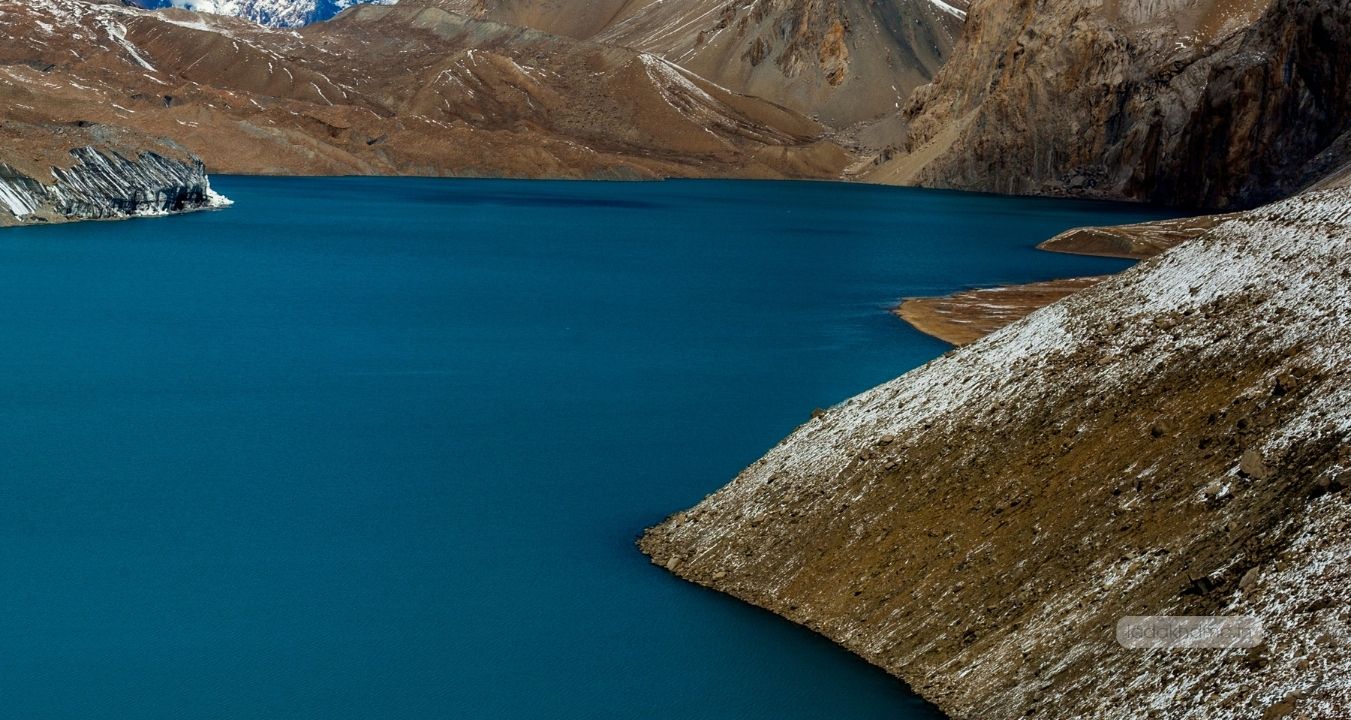
Tso Kar
A beautiful salt lake known for white mineral deposits and as a habitat for migratory birds.
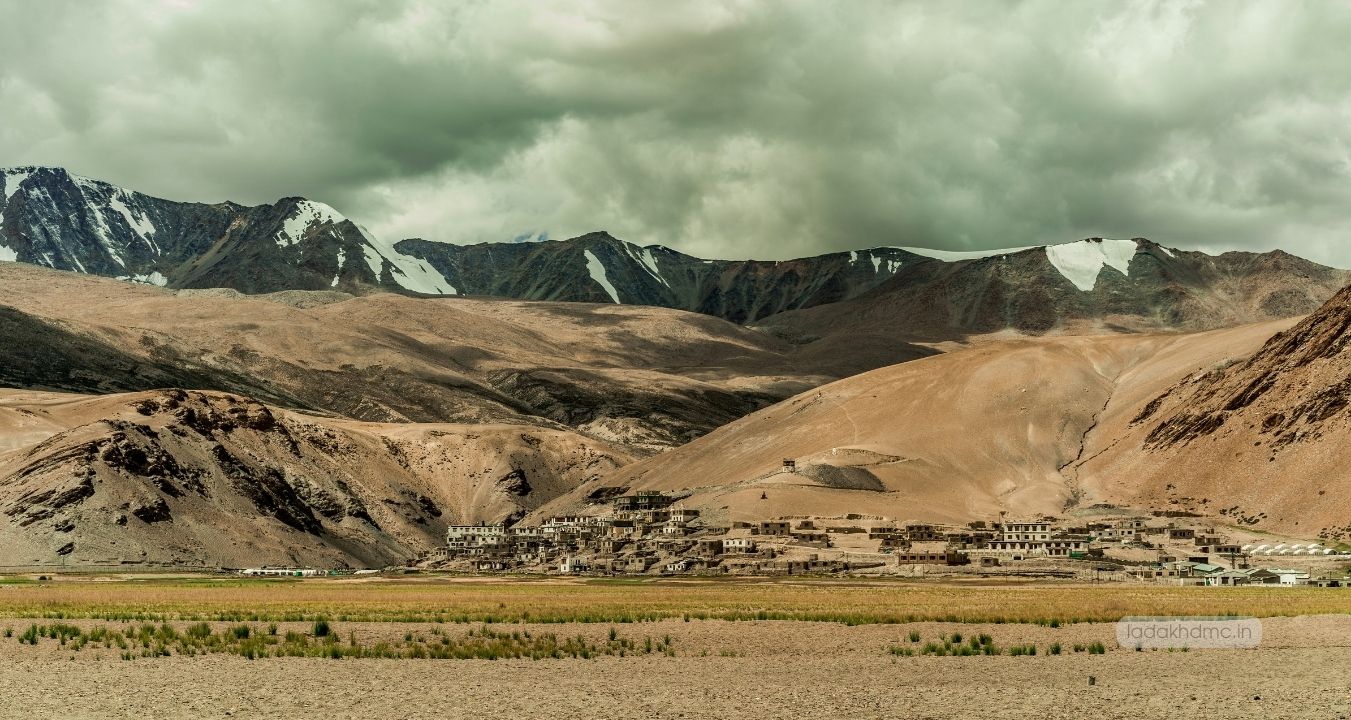
Yarab Tso
A sacred lake in Nubra Valley surrounded by peaceful mountains and considered spiritually significant by locals.
-
Valleys & Mountain Passes
Ladakh is home to spectacular valleys and some of the highest motorable passes in the world, offering unforgettable road journeys and dramatic scenery.
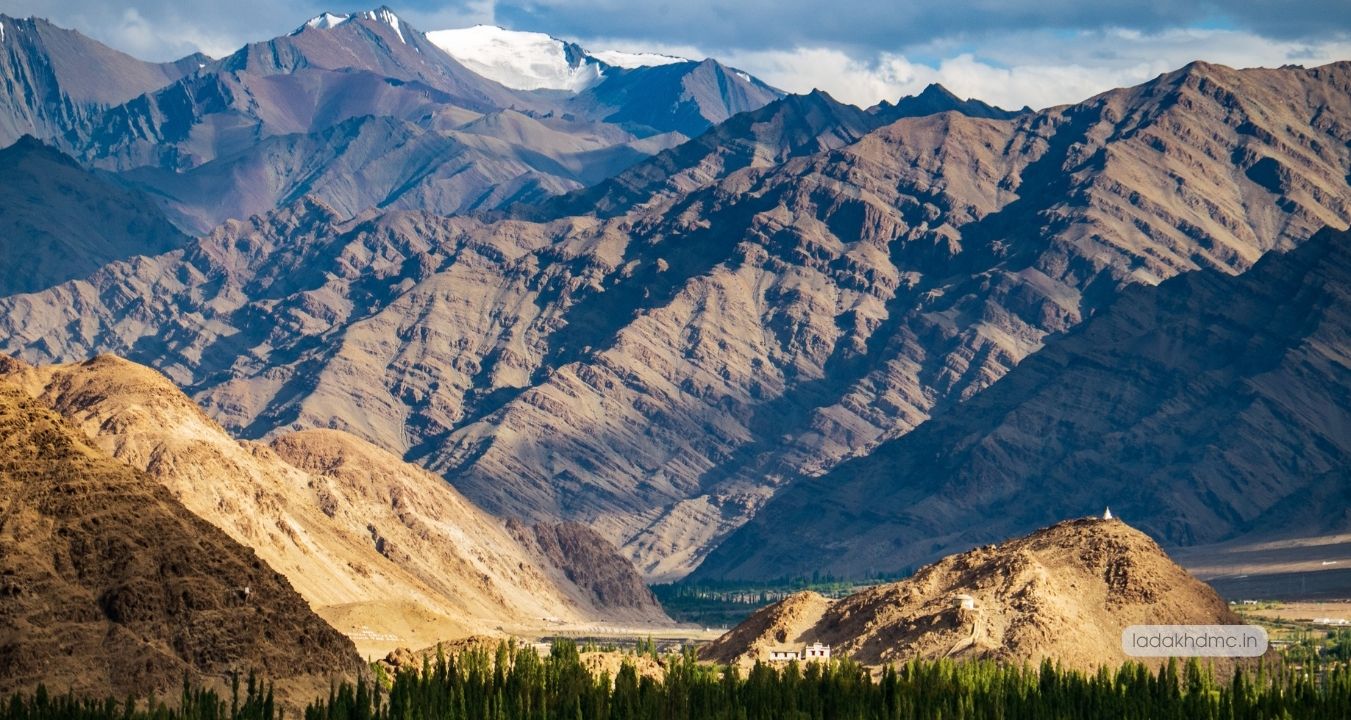
Markha Valley
A scenic valley in Ladakh known for its trekking routes, traditional villages, and spectacular Himalayan landscapes.
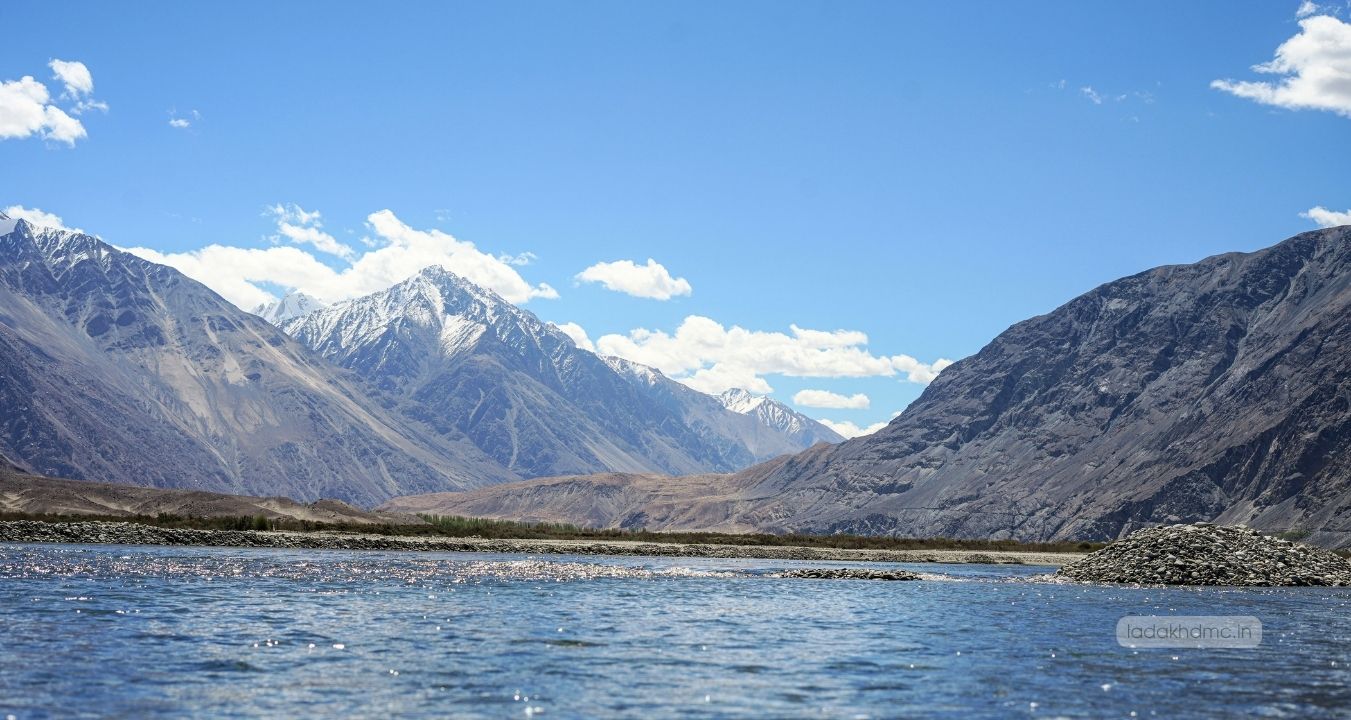
Nubra Valley
A cold desert valley famous for sand dunes, monasteries, and rare double-humped Bactrian camels.
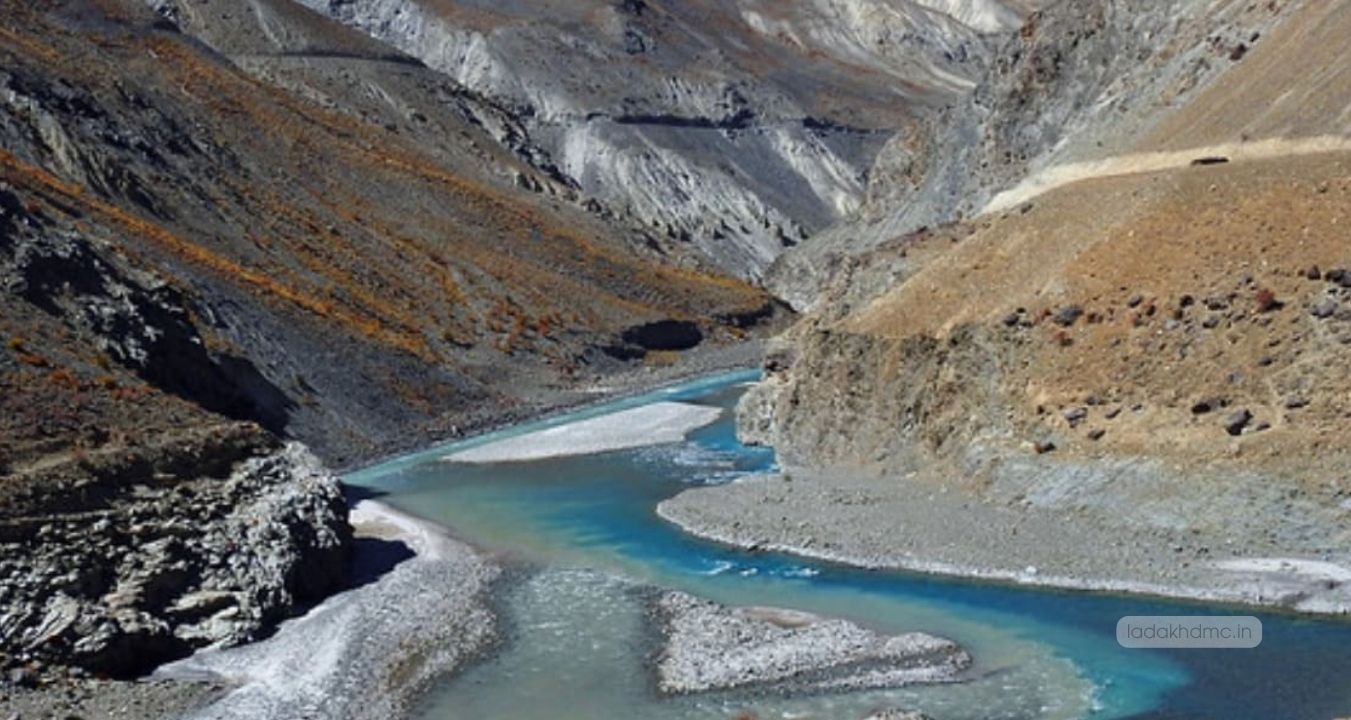
Zanskar Valley
A remote Himalayan valley known for dramatic landscapes, monasteries, and the legendary Chadar frozen river trek.
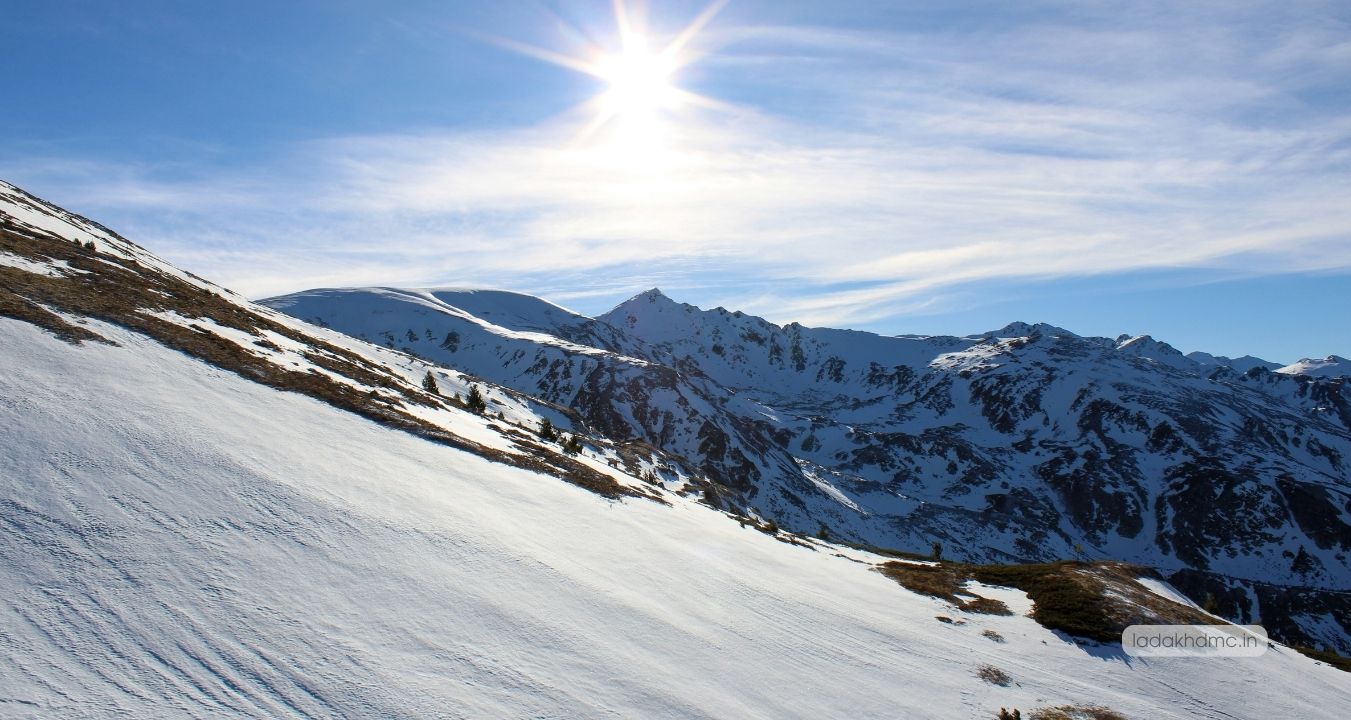
Khardung La Pass
One of the world’s highest motorable passes and the gateway to Nubra Valley.
-
Nature & Must-See Places
Ladakh offers endless adventures from trekking and wildlife exploration to dramatic landscapes and spiritual landmarks.
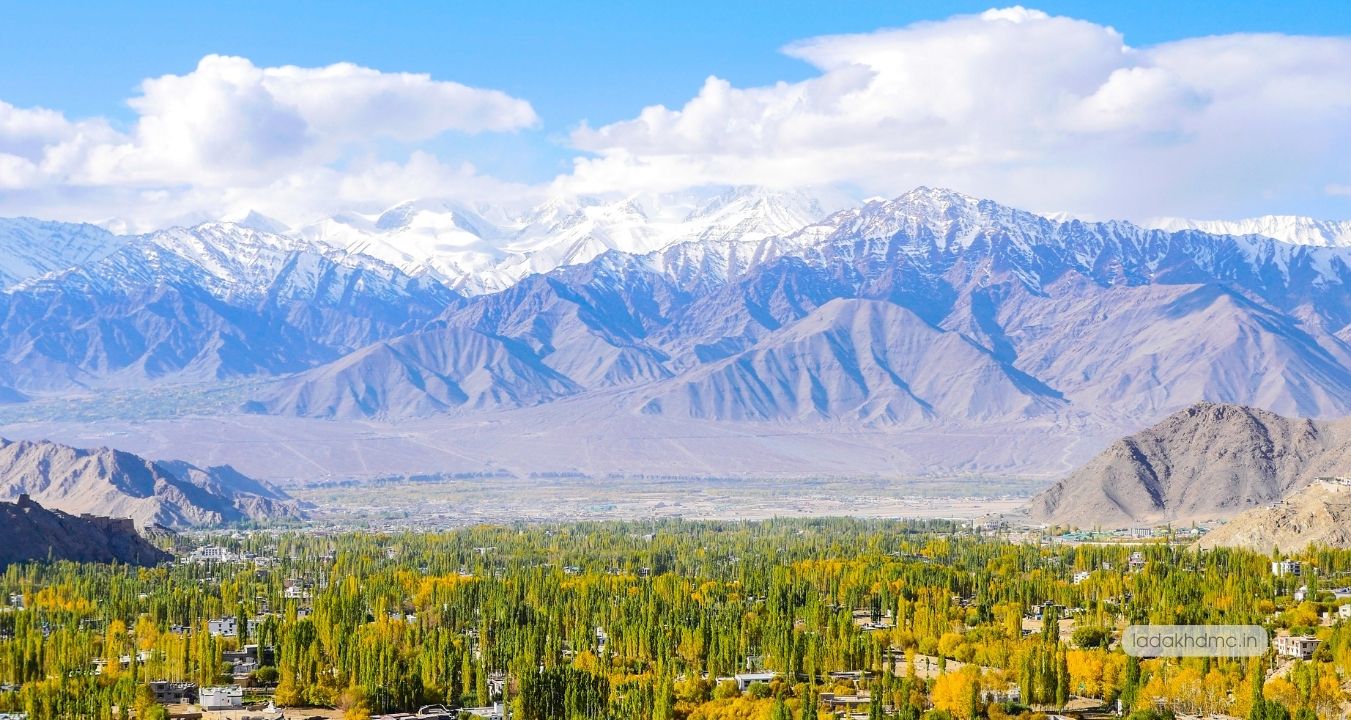
Leh
The vibrant capital of Ladakh, known for its bustling markets, monasteries, and Himalayan backdrop.
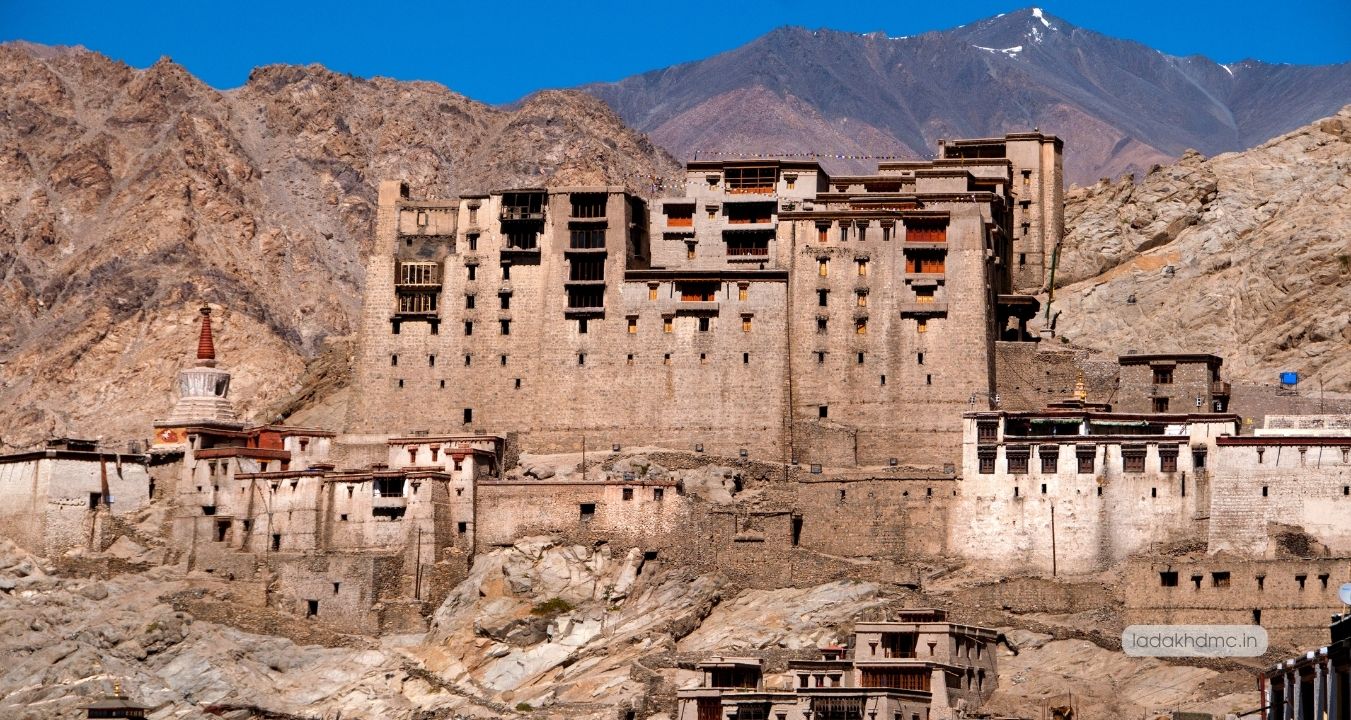
Leh Palace
A historic nine-story palace overlooking Leh town, showcasing traditional Ladakhi architecture and stunning views.
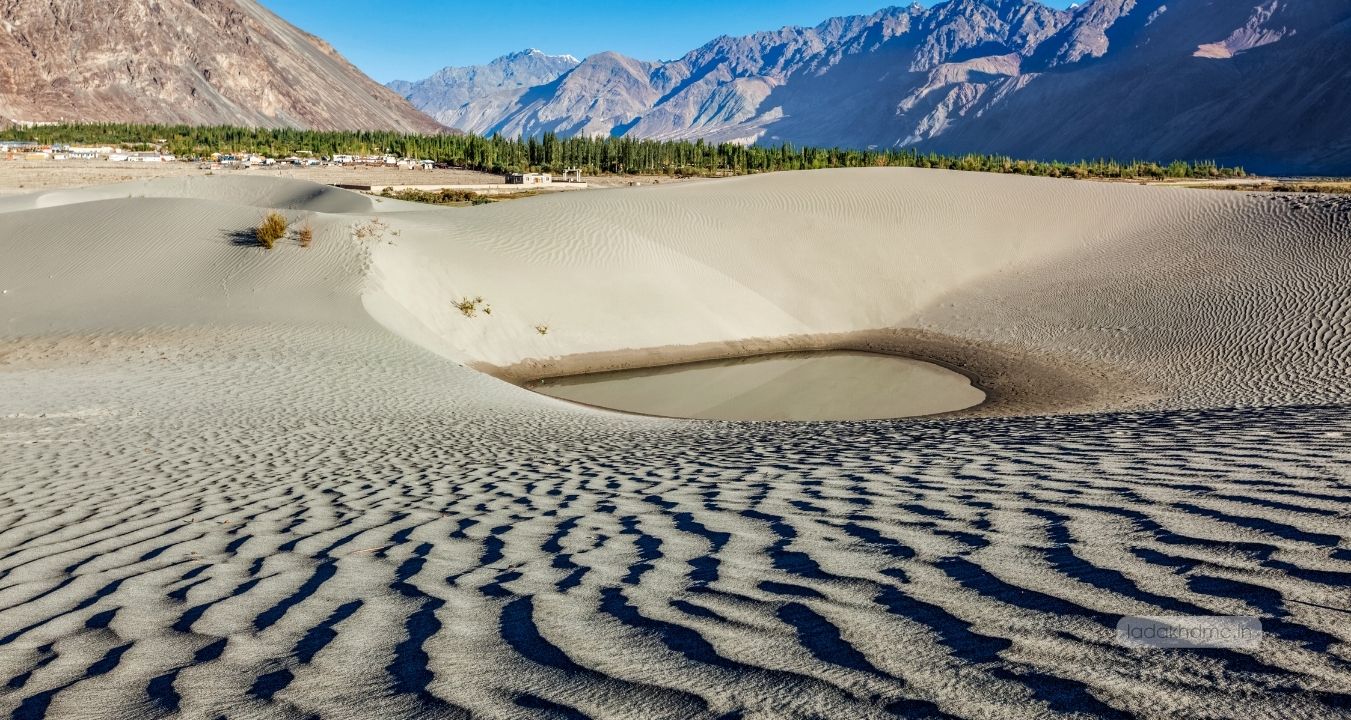
Hunder Sand Dunes
Unique cold desert dunes where visitors can ride rare double-humped Bactrian camels.
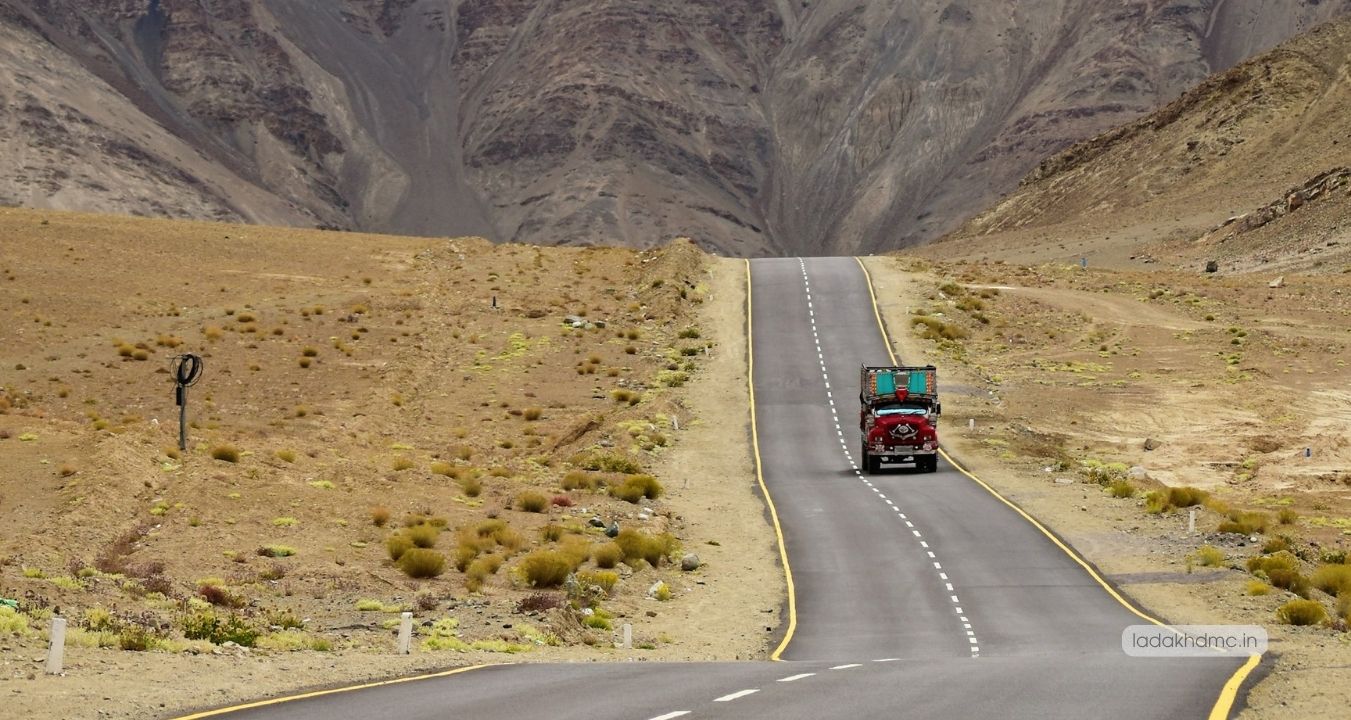
Magnetic Hill
A mysterious stretch of road where vehicles appear to roll uphill due to an optical illusion.