Hemis Monastery
A spiritual landmark surrounded by the majestic Himalayas.
Discover Hemis Monastery: The Largest Buddhist Monastery in Ladakh
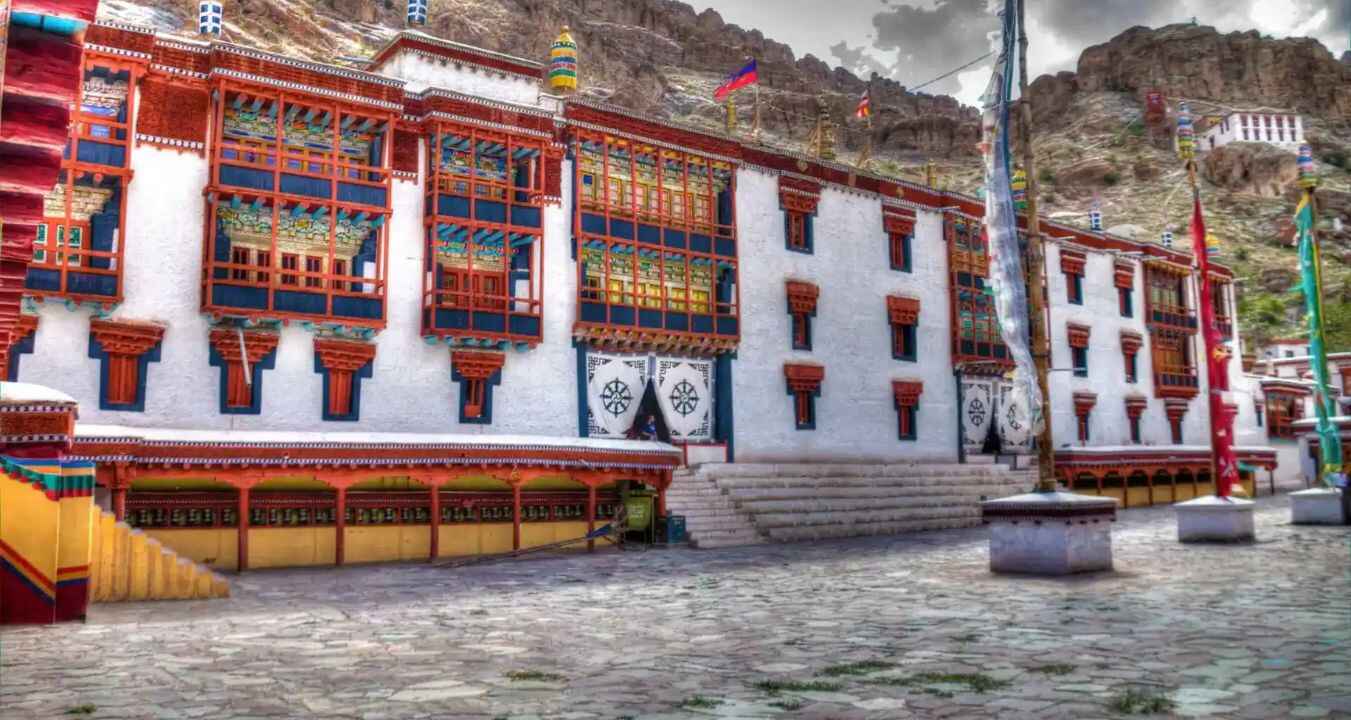
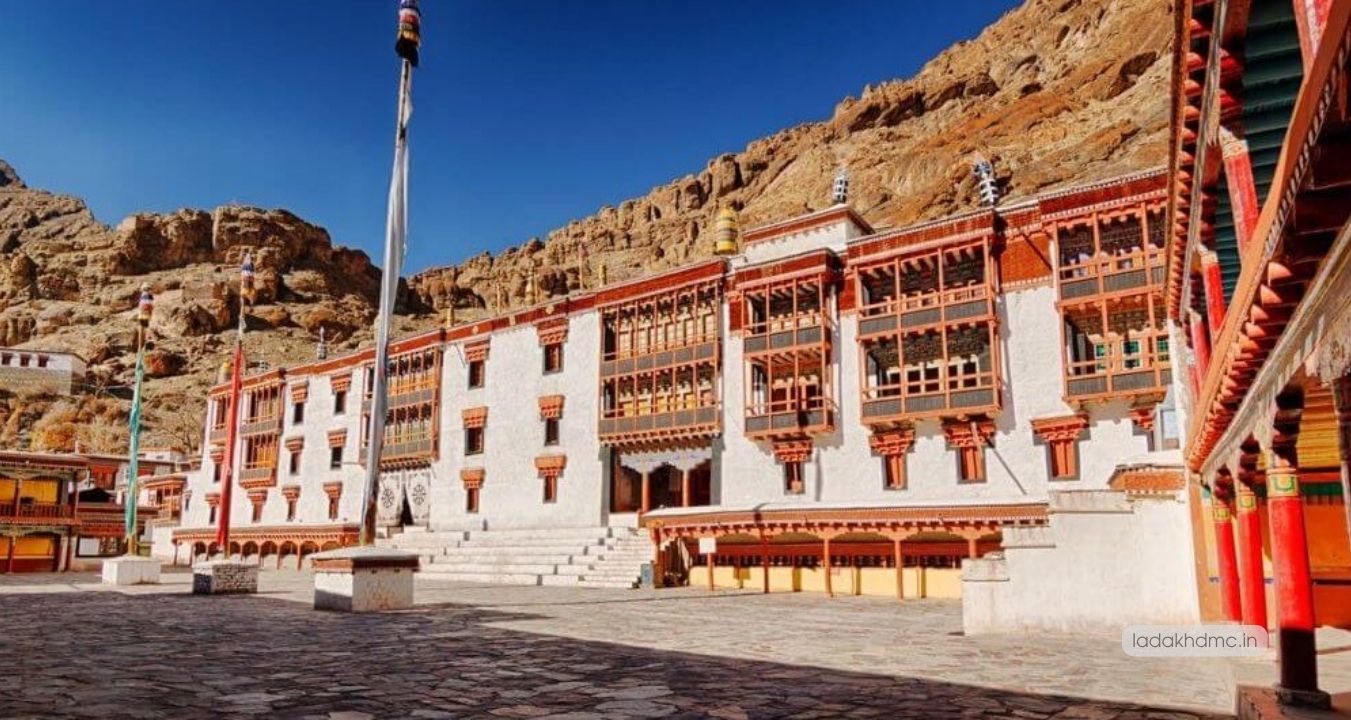
Nestled in a quiet valley about 45 km southeast of Leh, Hemis Monastery is the largest and one of the most important Buddhist monasteries in Ladakh. Surrounded by the dramatic landscapes of the Himalayas and located near the Indus River, this historic monastery is a spiritual and cultural landmark that attracts travelers, pilgrims, and photographers from around the world.
Founded in 1672 by King Sengge Namgyal and associated with the Drukpa lineage of Tibetan Buddhism, Hemis Monastery has been a center of Buddhist learning, meditation, and cultural heritage for centuries. The monastery is famous for its annual Hemis Festival, sacred relics, ancient scriptures, and vibrant monastic traditions that continue to thrive today.
Architecture and Monastic Complex
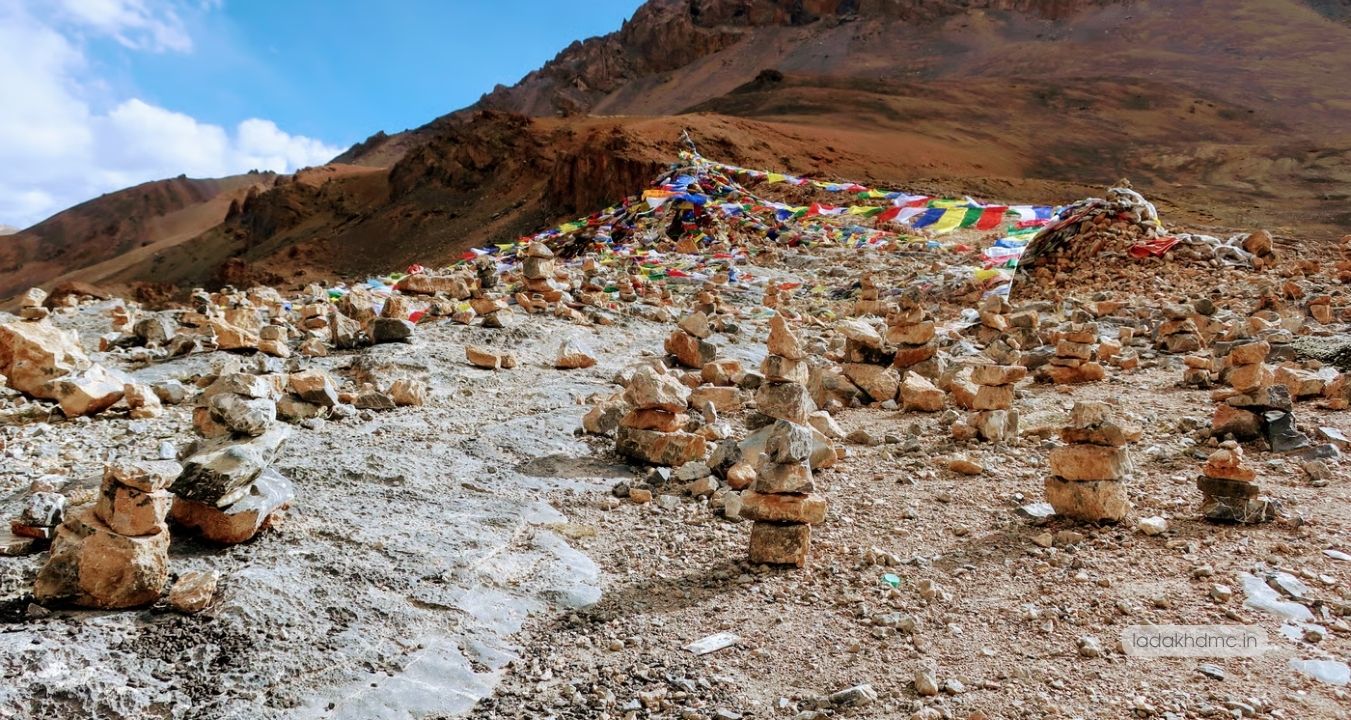
Hemis Monastery features classic Tibetan Buddhist architecture with whitewashed buildings, wooden balconies, colorful prayer flags, and intricately decorated temples. The monastery complex is built around a large courtyard where religious ceremonies and festivals take place. Prayer wheels, chortens (stupas), and beautifully painted walls add to the spiritual atmosphere of the site.
Inside the monastery, visitors can explore various temples, meditation halls, and shrines filled with sacred statues, thangkas (Buddhist scroll paintings), and centuries-old murals. The interiors showcase traditional Ladakhi craftsmanship and Buddhist symbolism that reflect the deep spiritual heritage of the region.
Sacred Treasures and Religious Significance
One of the most treasured aspects of Hemis Monastery is its remarkable collection of sacred artifacts and religious artworks. The monastery houses a museum displaying ancient thangkas, ceremonial costumes, statues, and manuscripts that highlight the history of Tibetan Buddhism in Ladakh.
Among the monastery’s most revered treasures is a giant thangka of Guru Padmasambhava, which is displayed publicly only once every twelve years during the Hemis Festival. This rare and sacred painting attracts thousands of devotees who gather to receive blessings and witness this extraordinary spiritual event.
Things to Do at Hemis Monastery
- Attend the famous Hemis Festival featuring colorful Cham masked dances performed by monks.
- Explore the Hemis Monastery Museum to see ancient Buddhist relics, manuscripts, and ritual objects.
- Observe daily prayer rituals and experience the peaceful chanting of resident monks.
- Admire traditional Buddhist art including murals, statues, and thangkas inside the temples.
- Enjoy scenic views of the surrounding mountains and the tranquil Hemis valley.
- Photograph the monastery architecture and prayer flags set against the Himalayan landscape.
- Learn about Ladakhi Buddhist culture by interacting respectfully with monks and locals.
Hemis Festival: Ladakh’s Most Celebrated Festival
The Hemis Festival is the most famous cultural event held at the monastery and celebrates the birth anniversary of Guru Padmasambhava, the founder of Tibetan Buddhism. The festival usually takes place in June or July according to the Tibetan lunar calendar.
During the festival, monks perform sacred Cham dances wearing vibrant silk robes and elaborate masks representing deities and spiritual protectors. The courtyard becomes filled with music, ritual instruments, and visitors from across Ladakh and the world, making it one of the most spectacular cultural experiences in the region.
Nearby Attractions
- Thiksey Monastery: A stunning hilltop monastery known for its giant Maitreya Buddha statue and panoramic views of the Indus Valley.
- Shey Palace and Monastery: Former summer capital of Ladakh featuring a massive copper Buddha statue.
- Stok Palace Museum: Historic palace displaying royal artifacts of Ladakh’s Namgyal dynasty.
- Hemis National Park: One of India’s largest national parks, famous for snow leopards and Himalayan wildlife.
Explore Ladakh - Monasteries, Lakes, Valleys & Adventures
-
Leh Monasteries Spiritual Heart of Ladakh
Leh, the lively capital of Ladakh, is framed by soaring mountains and historic monasteries. The town reflects Tibetan Buddhist traditions, ancient palaces, bustling markets, and awe-inspiring Himalayan vistas.
Thiksey Monastery
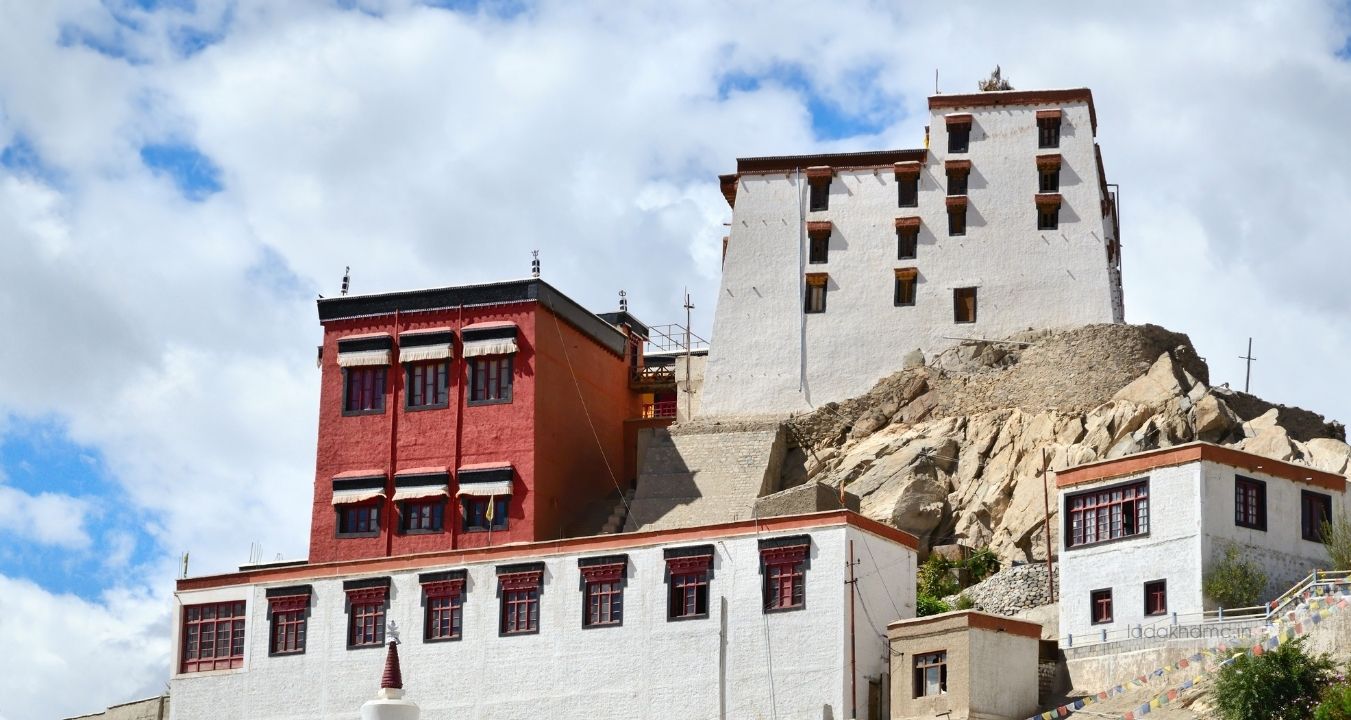
Thiksey Monastery is a striking 12-storey complex reminiscent of the Potala Palace, famed for its giant Maitreya Buddha statue and panoramic views of the Indus Valley.
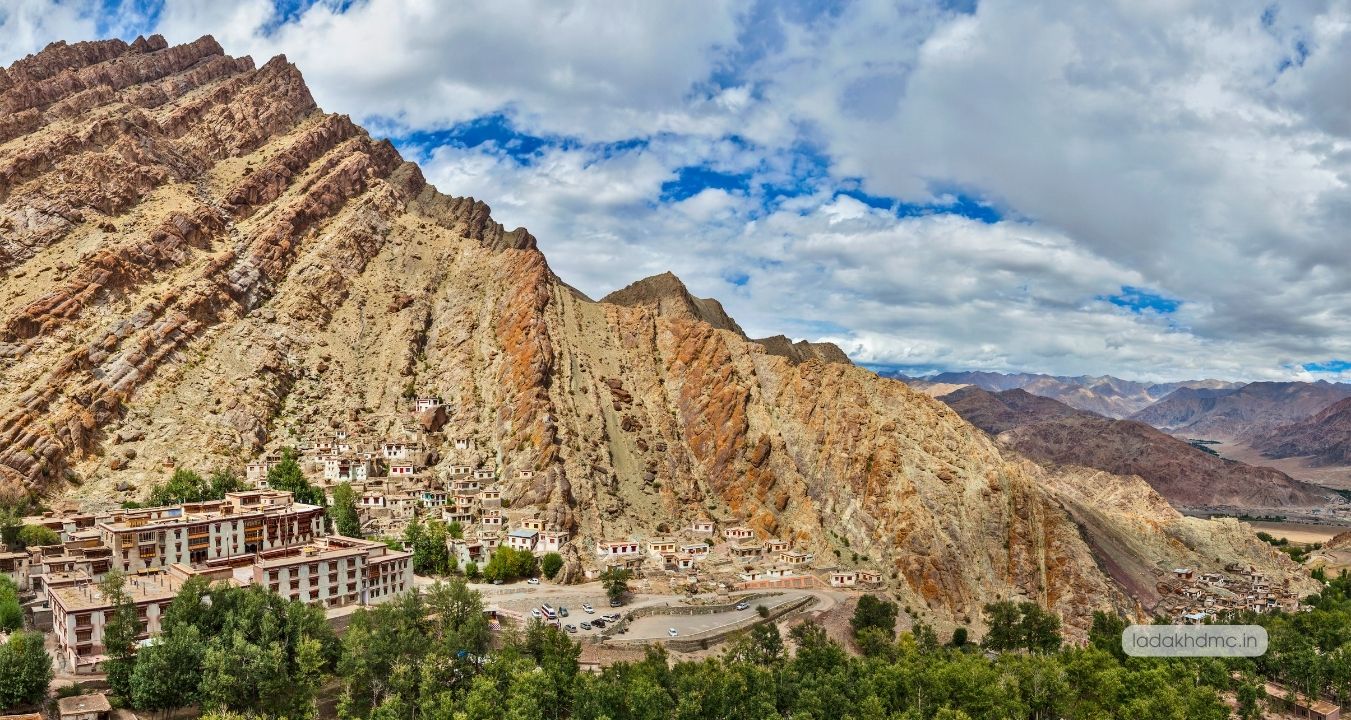
Hemis Monastery
Hemis Monastery, the largest and wealthiest in Ladakh, is celebrated for the vibrant Hemis Festival honoring Guru Padmasambhava.
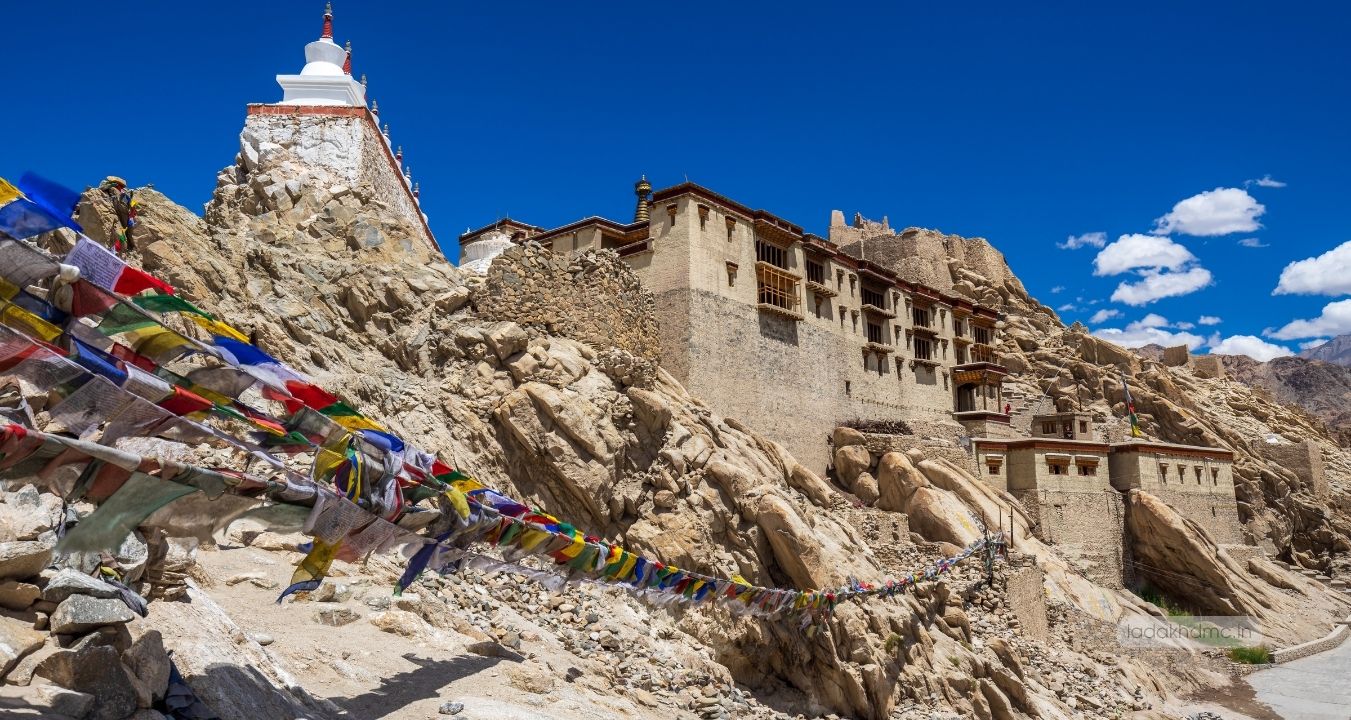
Shey Palace
Shey Palace, a former royal residence, houses an enormous copper-gilded Buddha statue and is surrounded by stunning scenery.
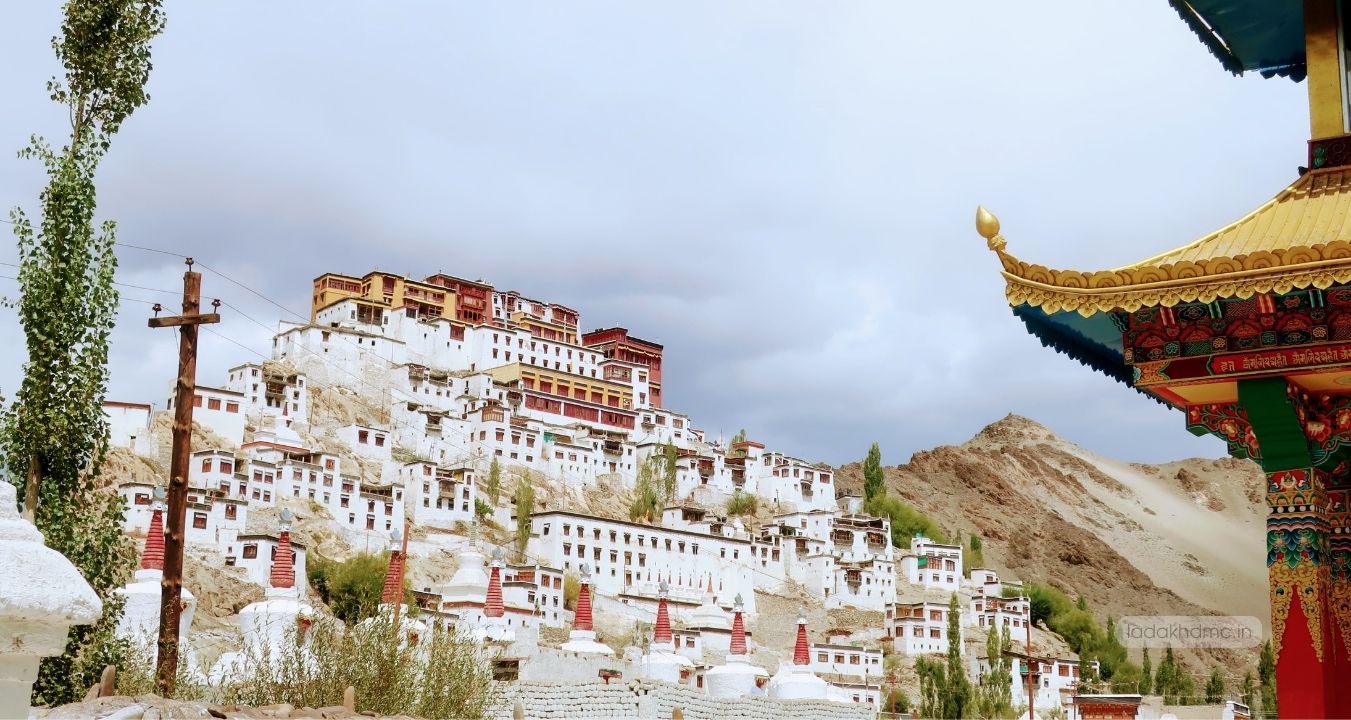
Spituk Monastery
Spituk Monastery, perched atop a hill near Leh, offers sweeping views of the Indus Valley and hosts the popular Spituk Gustor Festival.
-
Ladakh Lakes, High Altitude Wonders
Ladakh’s lakes are some of the most mesmerizing in the Himalayas, known for their pristine waters, changing hues, and dramatic mountain surroundings.
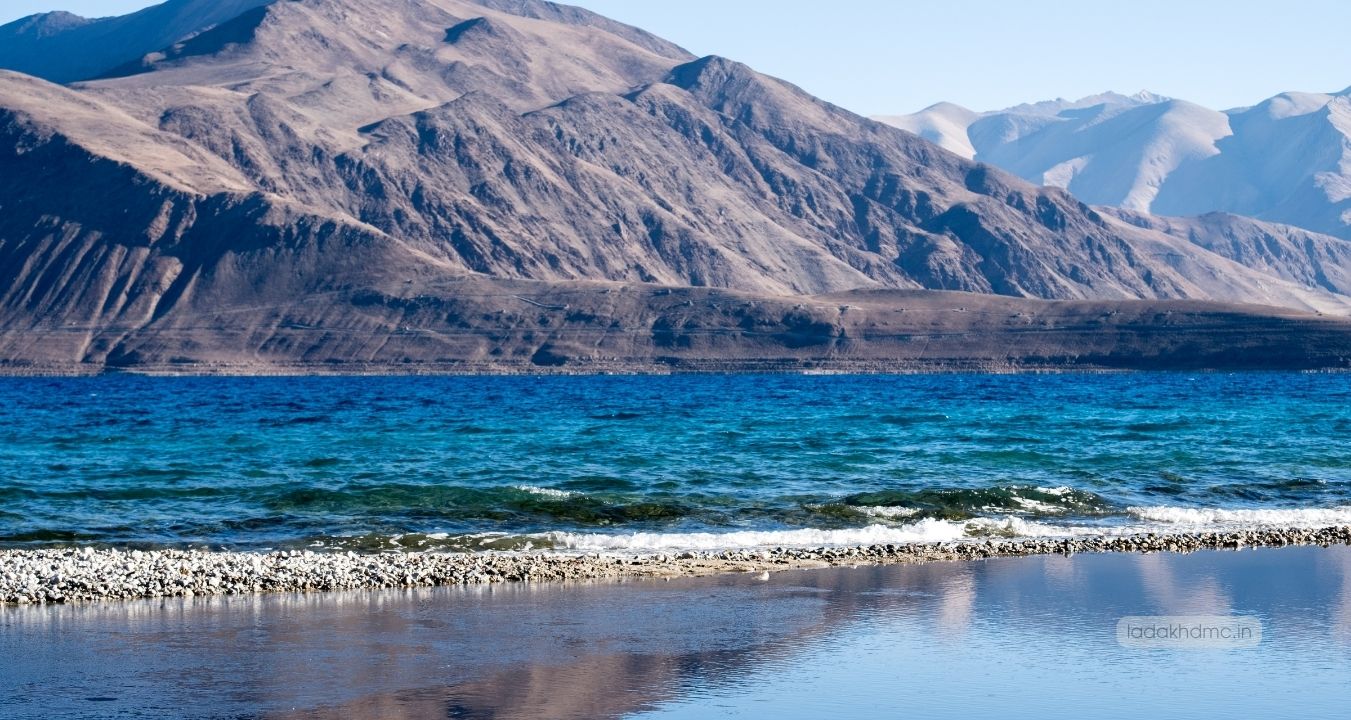
Pangong Tso
Pangong Tso is a renowned lake famous for its dazzling blue shades and its stretch across India and Tibet.
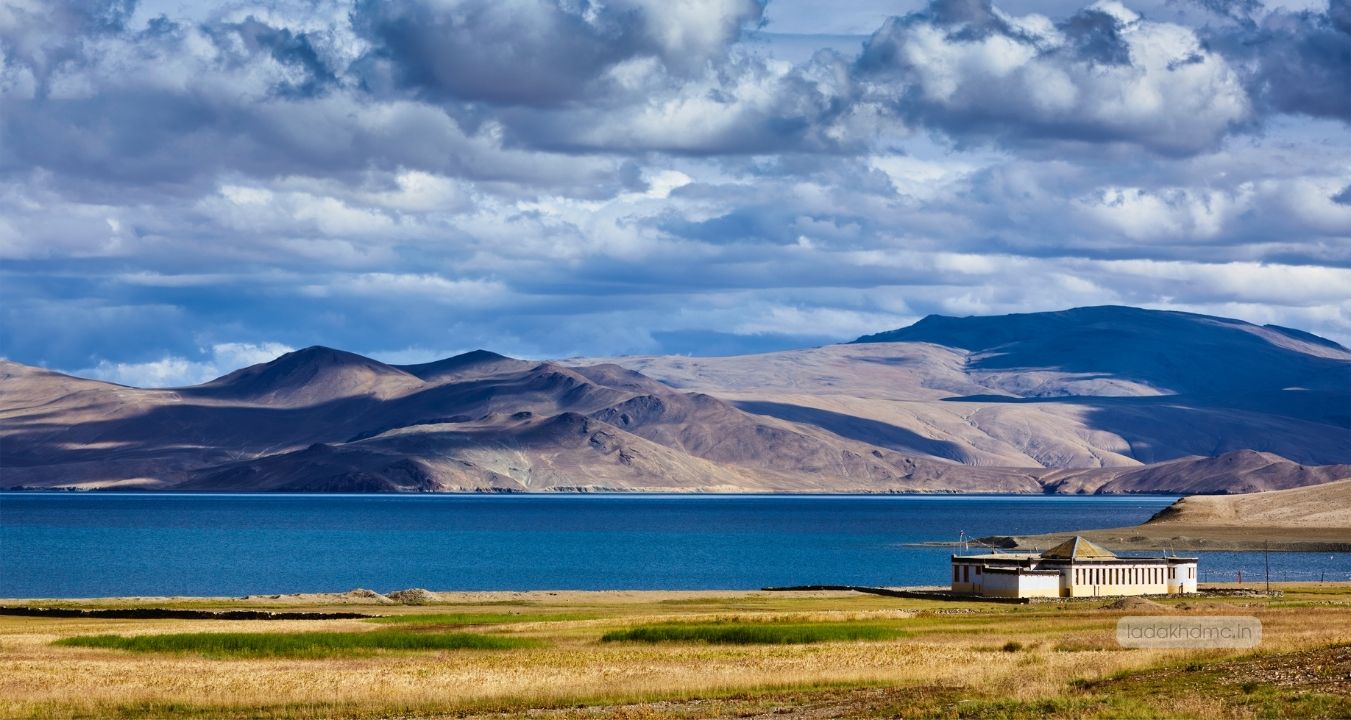
Tso Moriri Lake
Tso Moriri Lake is a tranquil high-altitude lake, encircled by snow-capped peaks and home to rare Himalayan wildlife.
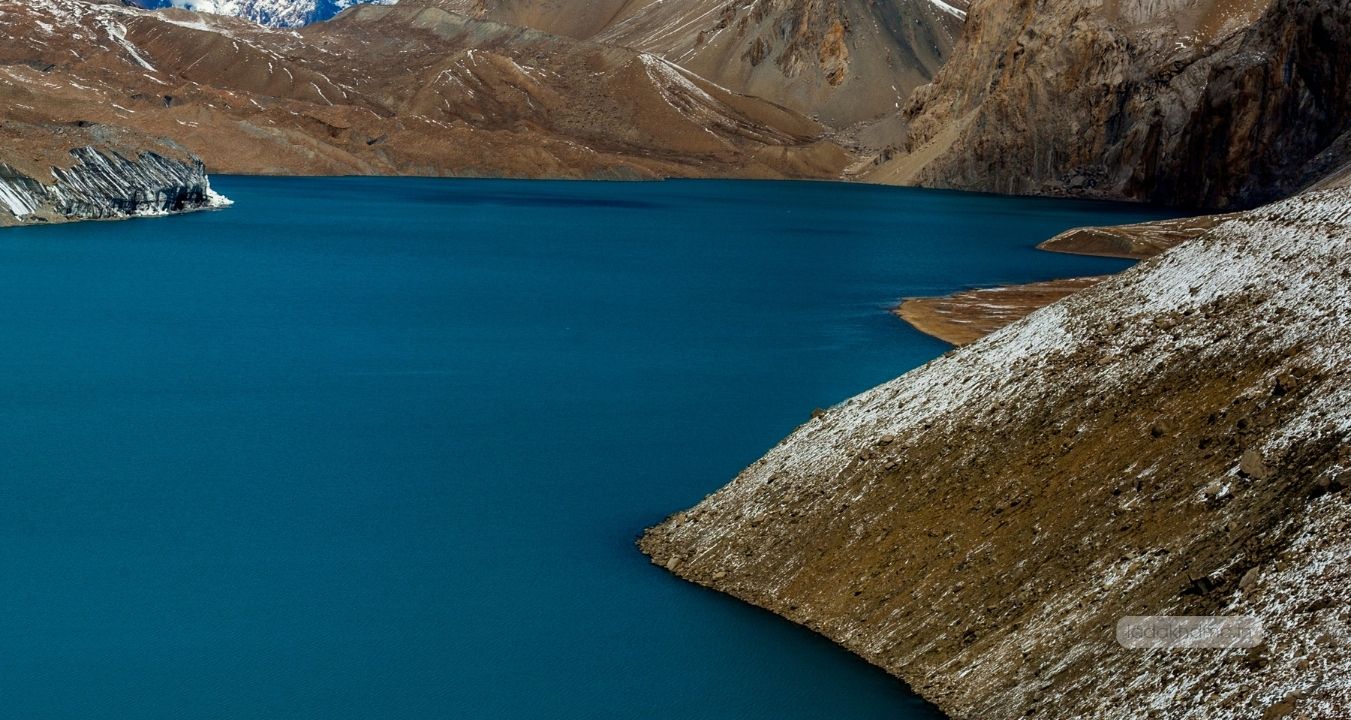
Tso Kar
Tso Kar is a picturesque salt lake noted for its white mineral deposits and as a sanctuary for migratory birds.
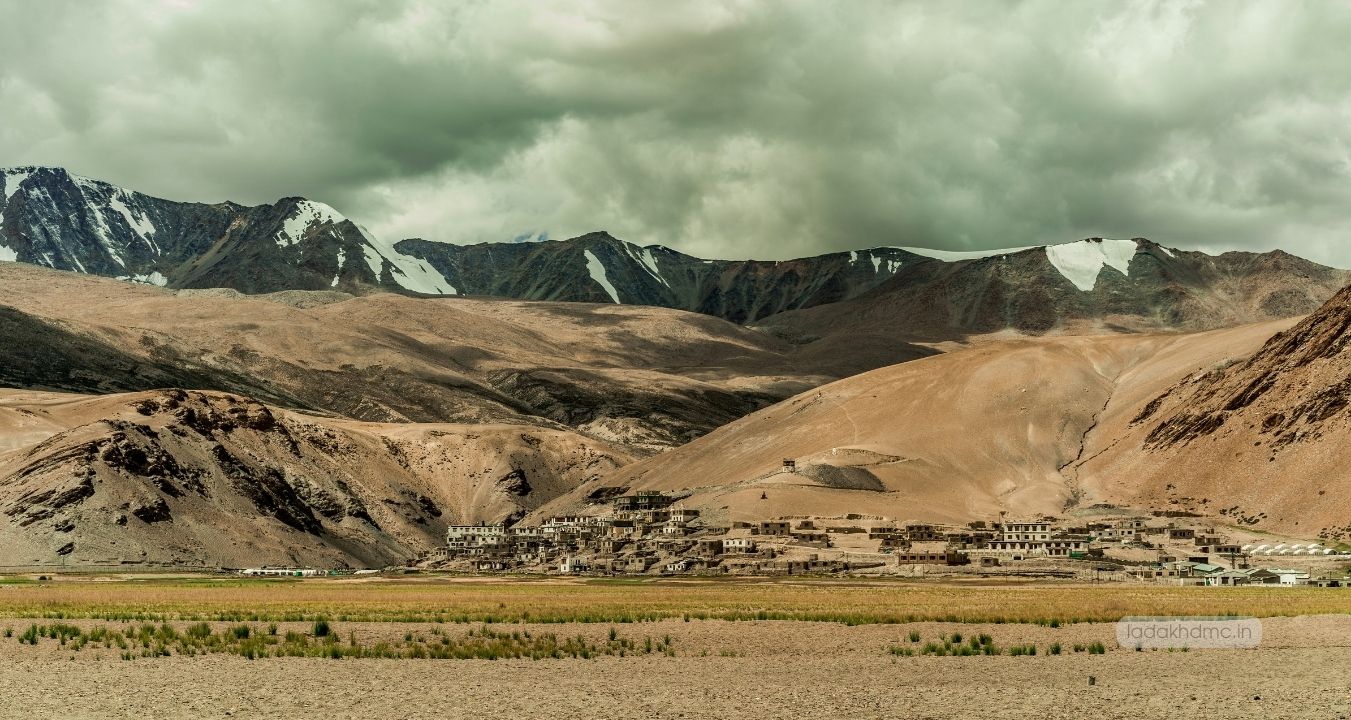
Yarab Tso
Yarab Tso, located in Nubra Valley, is a sacred lake set amidst serene mountains and revered by locals for its spiritual significance.
-
Valleys & Mountain Passes
Ladakh’s valleys and motorable passes offer breathtaking scenery, thrilling road trips, and unforgettable vistas.
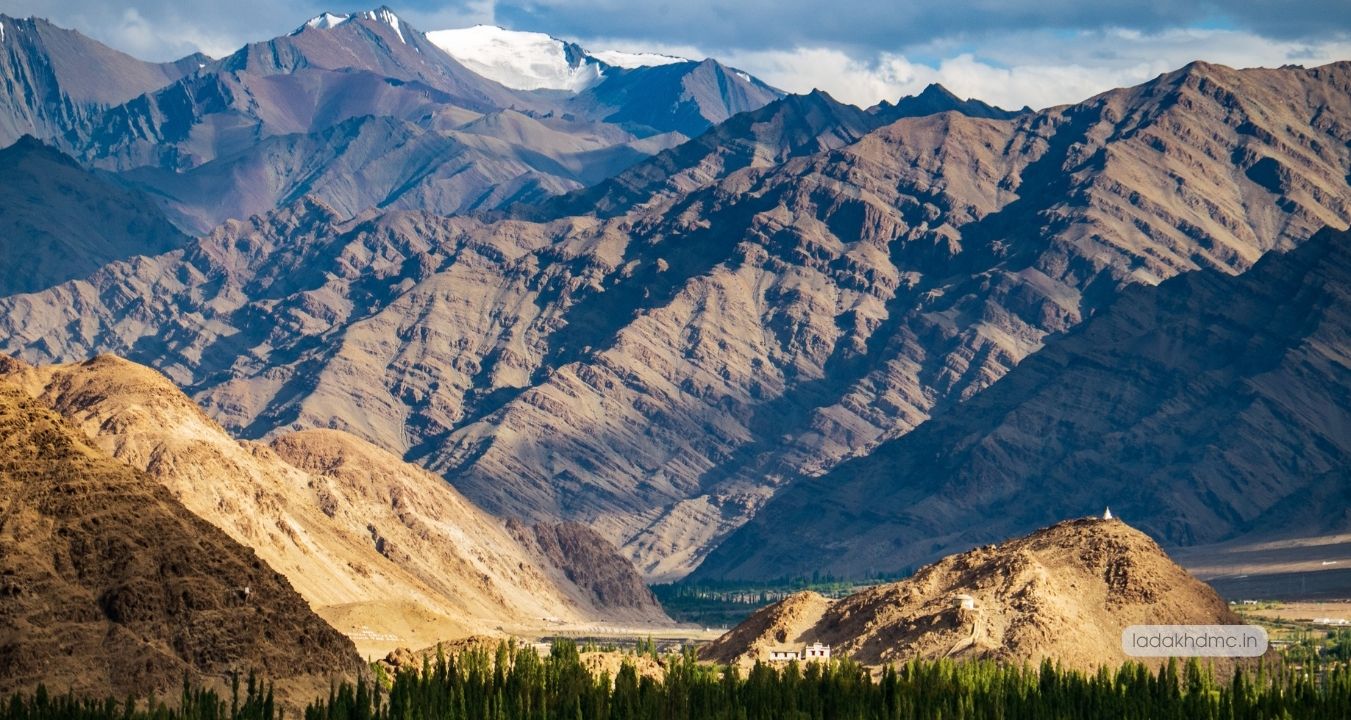
Markha Valley
Markha Valley is a scenic trekking destination with traditional villages and striking Himalayan landscapes.
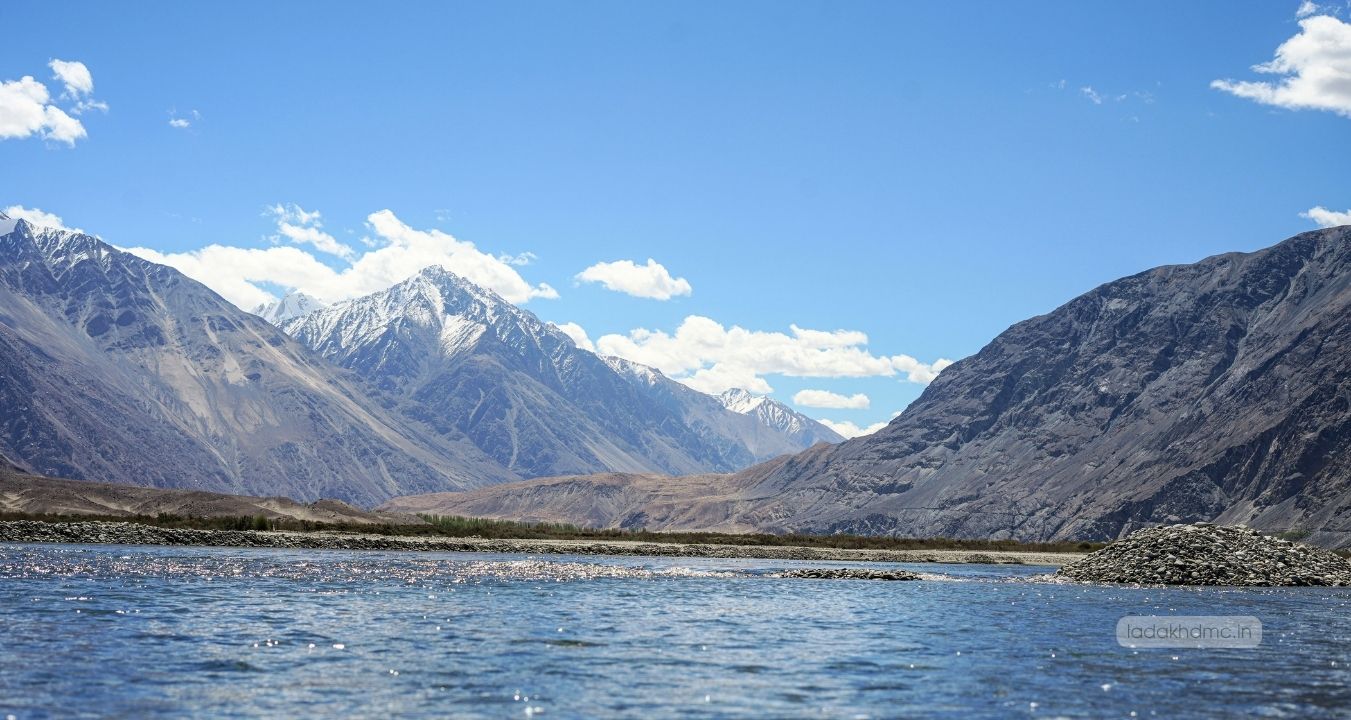
Nubra Valley
Nubra Valley, a cold desert, is famous for its sand dunes, monasteries, and rare double-humped Bactrian camels.
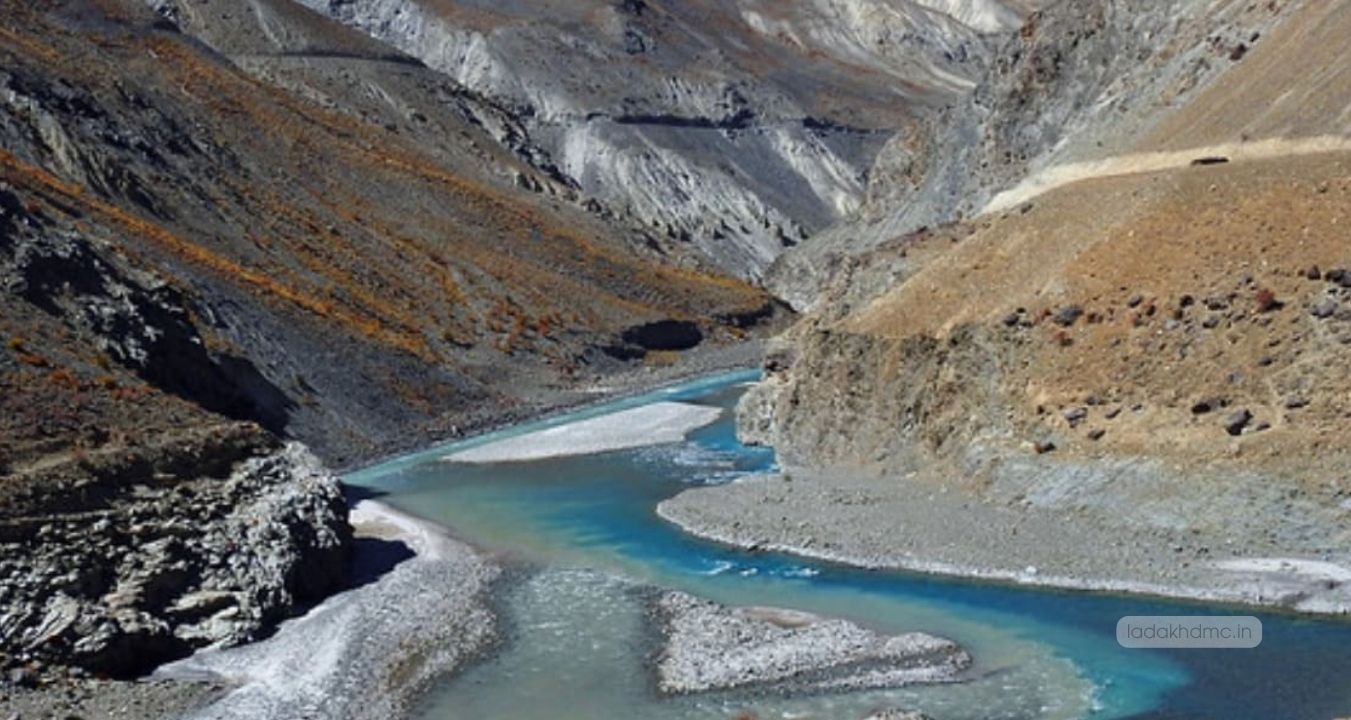
Zanskar Valley
Zanskar Valley is a remote Himalayan region known for its dramatic terrain, monasteries, and the iconic Chadar frozen river trek.
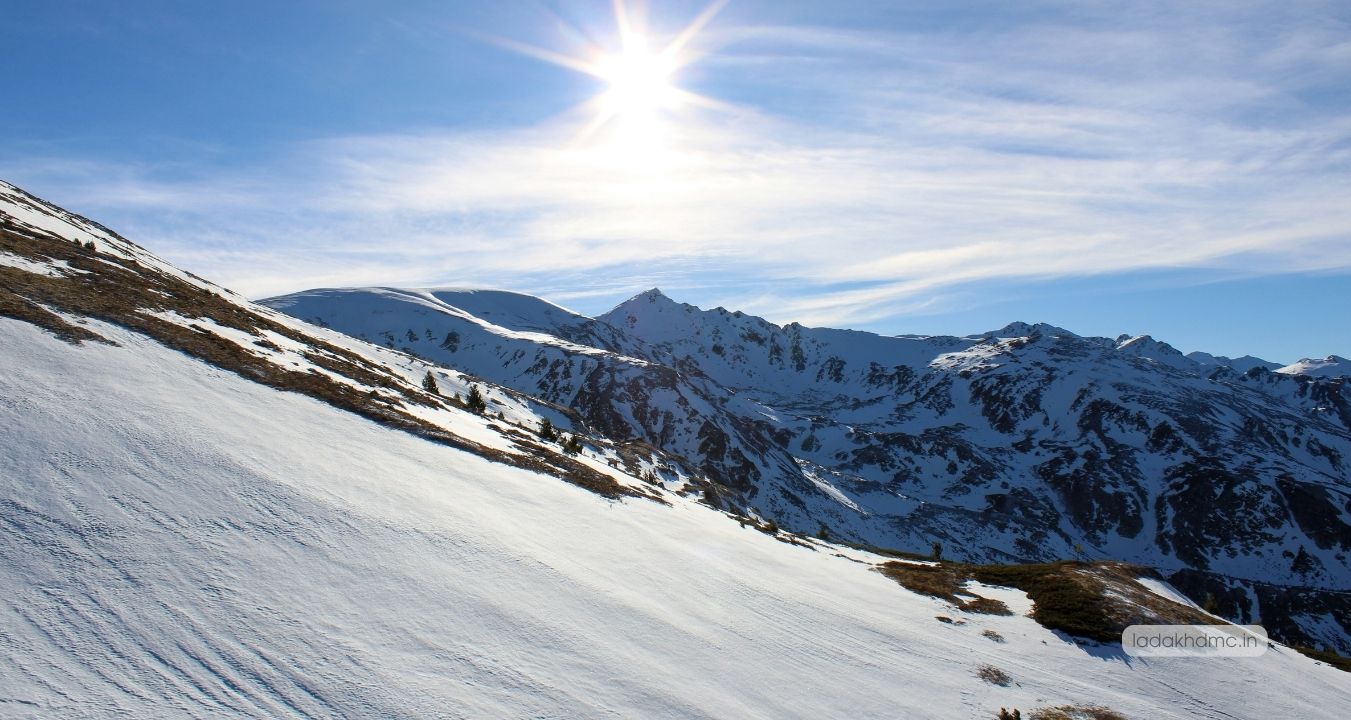
Khardung La Pass
Khardung La Pass, one of the world’s highest motorable roads, serves as the gateway to Nubra Valley.
-
Nature & Must-See Places
Ladakh is a hub of adventure, offering trekking, wildlife encounters, and access to spectacular natural and spiritual landmarks.
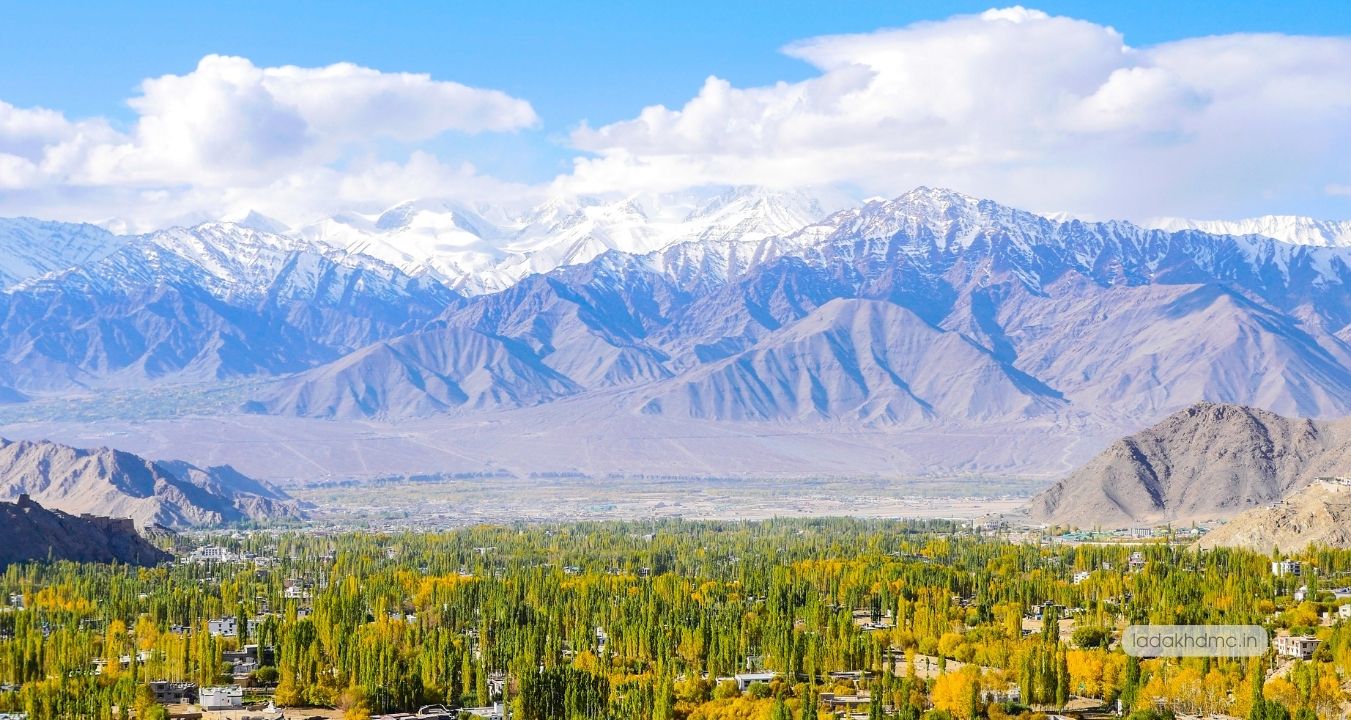
Leh
Leh, the region’s bustling capital, is known for vibrant markets, historic monasteries, and a stunning Himalayan backdrop.
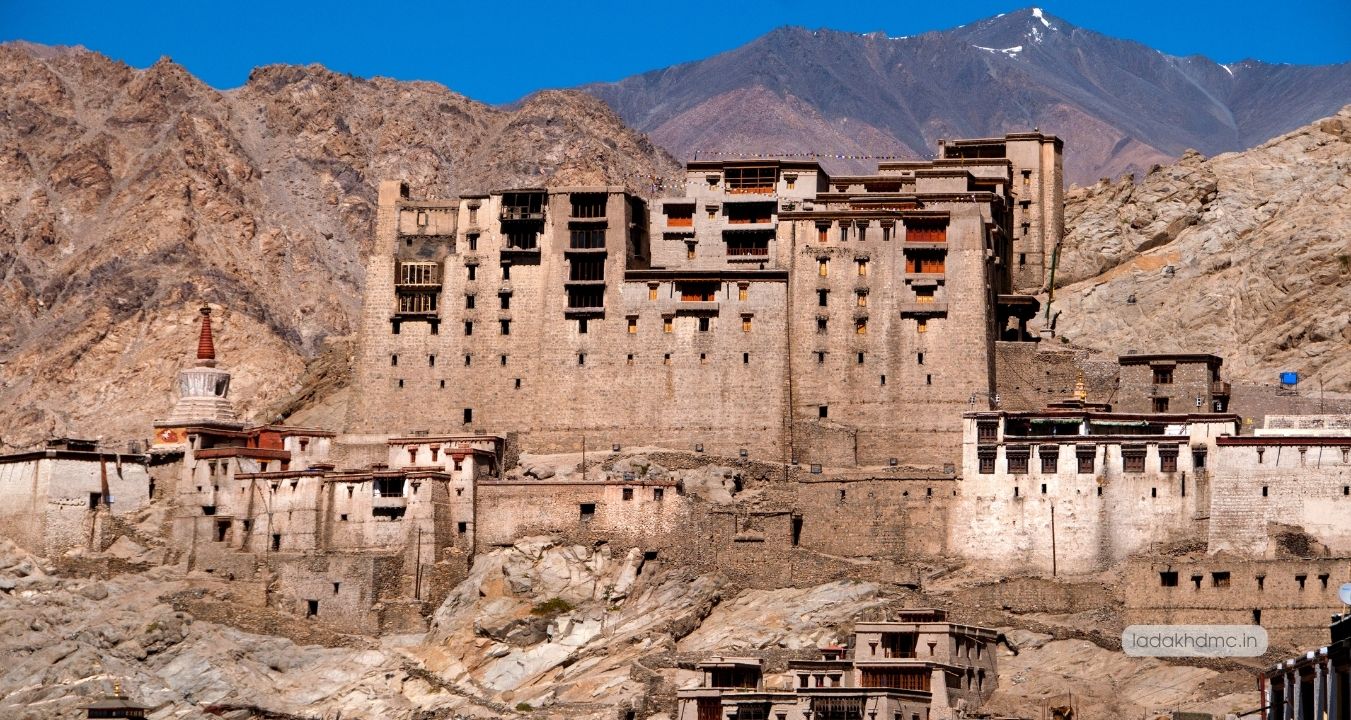
Leh Palace
Leh Palace, a nine-story historic palace, overlooks the town and showcases traditional Ladakhi architecture along with panoramic views.
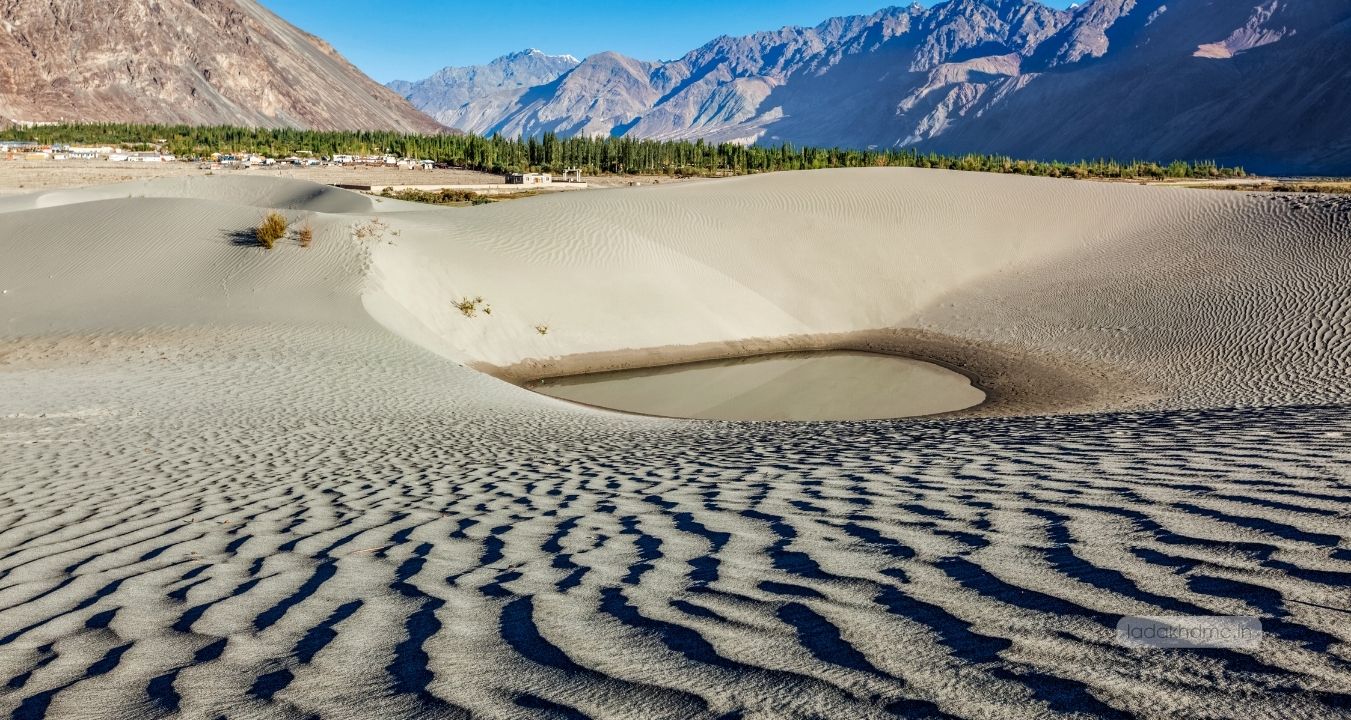
Hunder Sand Dunes
Hunder Sand Dunes are unique desert formations where visitors can ride the rare double-humped Bactrian camels.
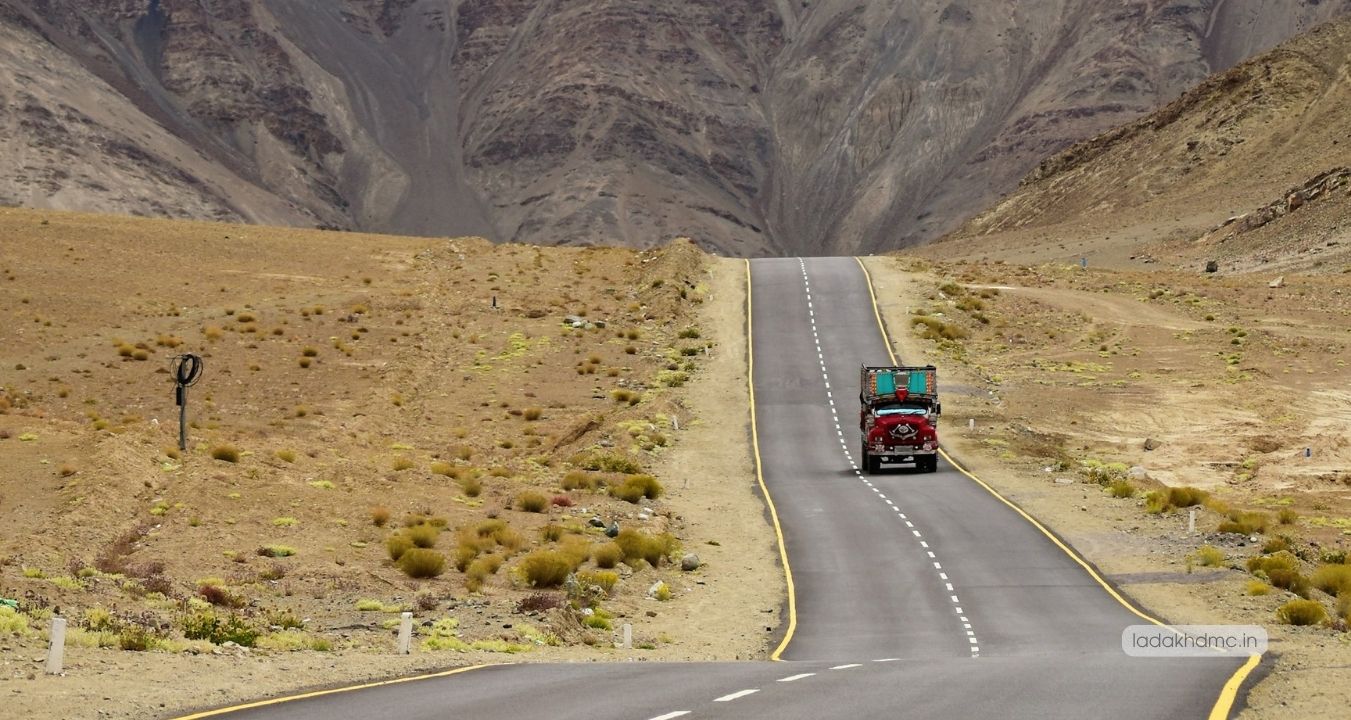
Magnetic Hill
Magnetic Hill is a curious road where vehicles appear to defy gravity and roll uphill due to an optical illusion.